


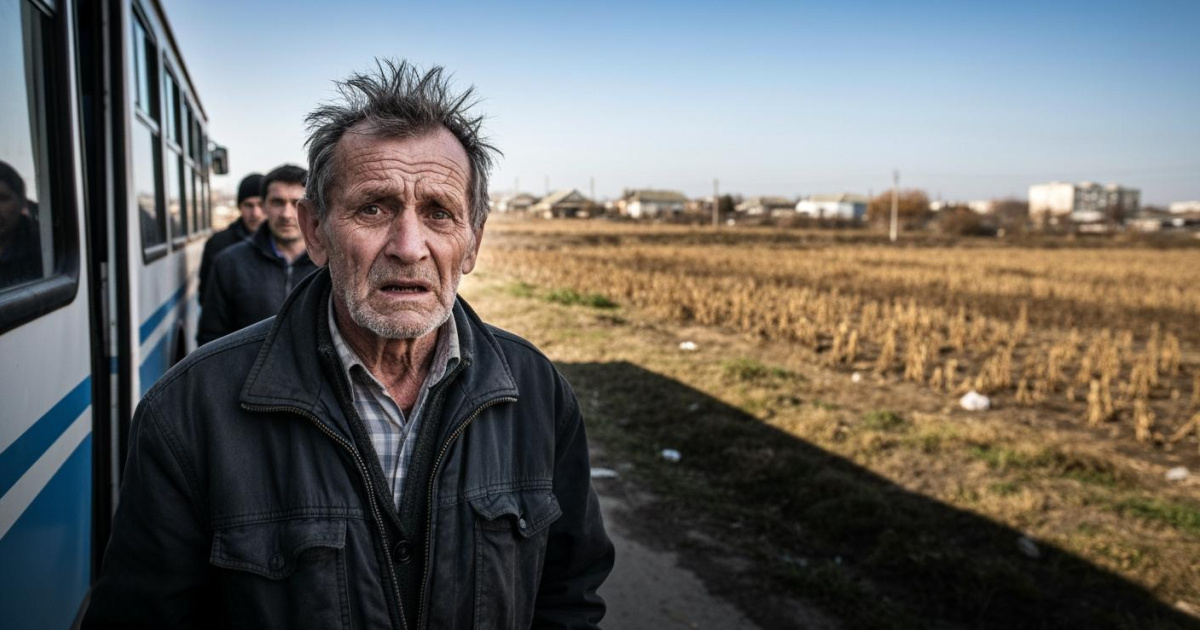
1. The General Staff of the Armed Forces of Ukraine reported that russian troops used the six-day humanitarian truce in the area of occupied Oleshky in the Kherson oblast to rotate units, strengthen their positions, expand anti-drone protection along roads, and bring in ammunition. The Ukrainian side stated that it had fully complied with the agreements. According to U.S. First Lady Melania Trump, around 800 people were evacuated during the humanitarian operation. At the same time, the kremlin has already announced that it is not planning any similar missions for now.
Thus, the humanitarian operation organized with Washington's mediation demonstrated the contradictory nature of local agreements with moscow. On the one hand, civilians were saved. On the other, the russian army was given an opportunity to strengthen its positions without the risk of Ukrainian strikes.
The reaction of kremlin spokesperson Dmitry Peskov was particularly telling: he effectively acknowledged that regrouping troops during a truce was standard practice. This indicates that moscow does not consider using humanitarian agreements to achieve military objectives a violation of their fundamental purpose.
For Donald Trump's administration, the operation was an opportunity to demonstrate the effectiveness of U.S. mediation ahead of the congressional elections. For Ukraine, it was yet another indication that even limited agreements with russia require military monitoring mechanisms. Otherwise, humanitarian gains may be accompanied by a deterioration in the position of the Defense Forces.
2. On the night of November 2, russia attacked Ukraine with 193 UAVs, 154 of which were shot down or suppressed by electronic warfare systems. Hits were recorded at 26 locations. Odesa, Izium, and other cities came under attack. Emergency power cuts were introduced in several regions. At the same time, it became known that Kramatorsk, Sloviansk, and other settlements in the Donetsk oblast are facing serious heating problems.
Russia continues to pursue a strategy of exhausting Ukraine's rear, combining strikes on civilian infrastructure with offensive operations on the front line. A particular feature of the current stage is the approaching winter, when the destruction of energy and utility facilities poses additional threats to the population.
For frontline cities in Donbas, this problem is becoming strategically significant. The lack of a stable heat supply may accelerate the evacuation of residents and disrupt the work of hospitals, businesses, and utility services. Thus, russia is trying to make life in Ukrainian cities impossible even without capturing them directly.
This also places an additional burden on the state budget and Ukraine's Western partners, who are forced to allocate resources to rebuilding infrastructure instead of other defense needs.
3. According to the General Staff of the Armed Forces of Ukraine, 205 combat engagements took place on the front line over the past 24 hours. The highest intensity of fighting was observed in the Pokrovsk direction. At the same time, reports emerged of russian troops advancing near Huliaipole and Hirke. According to the General Staff, the russian army's daily losses amounted to around 2,500 servicemen.
This intensity of fighting indicates that moscow has not abandoned its attempts to achieve territorial gains before the onset of winter. However, the cost of offensive operations for the russian army continues to rise.
It is noteworthy that Volodymyr Zelensky stated the day before that Ukraine had regained control of more territory in October than russia had captured. If this trend continues, it will become increasingly difficult for the kremlin to portray its own offensive operations as a strategic success.
At the same time, local advances by russian troops remain dangerous. This is particularly true in Donbas, where even minor changes to the front line can complicate the logistics of Ukrainian units and create new threats to major cities.
Thus, the main indicator of the effectiveness of the russian offensive is no longer the number of attacks, but the ratio between territorial gains and losses. This balance will determine moscow's ability to continue its war of attrition at the current intensity.
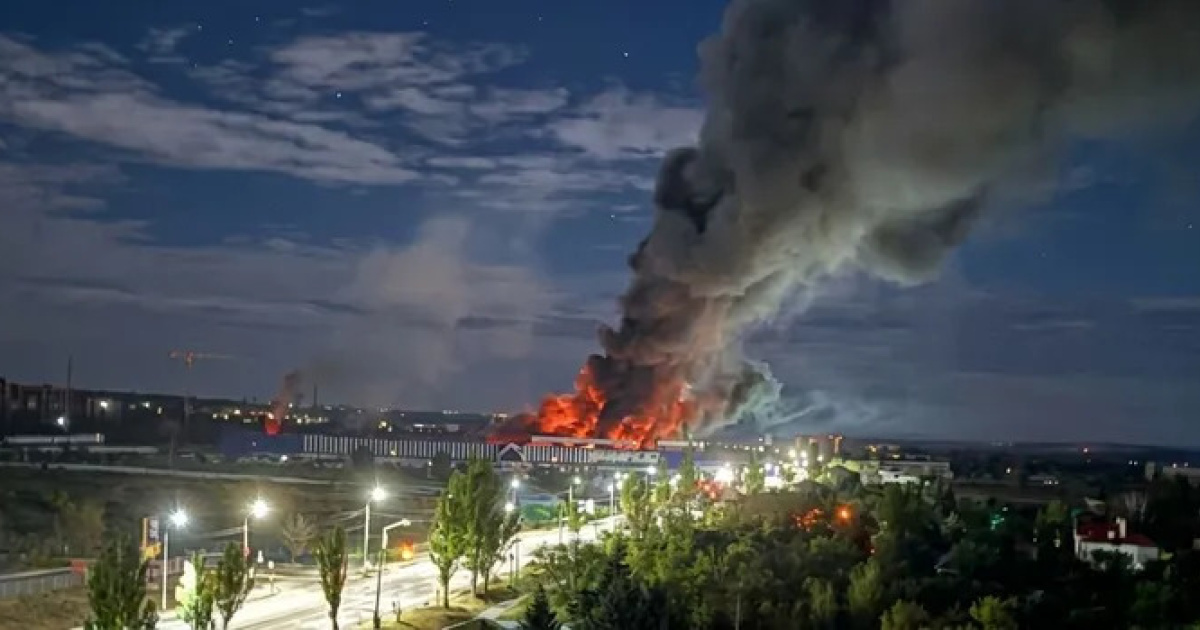
4. On the night of November 2, drones attacked the Samara oil pumping station in russia's Samara oblast. Attacks on russian military facilities in the occupied part of the Luhansk oblast were also reported. The day before, Zelensky stated that Ukraine was ready to stop striking russian oil refineries provided that russia ceased its attacks on Ukraine's energy infrastructure.
This statement effectively amounts to a proposal for a limited mutual cessation of strikes on energy infrastructure without a general ceasefire on the front line.
For Kyiv, this position has a dual significance. First, it demonstrates readiness for concrete agreements that could reduce civilian casualties. Second, it preserves Ukraine's right to continue striking the economic foundations of russia's war effort if moscow refuses to reciprocate.
For the kremlin, the situation is more complicated. Strikes on oil infrastructure pose risks to oil refining and transportation, and therefore to the revenues that finance the war. At the same time, refraining from attacks on Ukraine's energy infrastructure would mean losing one of the main instruments of pressure on Kyiv.
Thus, Ukraine's proposal confronts moscow with a choice: agree to mutual restrictions on strikes or continue escalating, accepting the risks to its own energy sector. At the same time, without a reliable verification mechanism, even such a limited agreement will remain vulnerable.
5. Ahead of the U.S. midterm congressional elections scheduled for November 3, Washington continues to look for opportunities to hold negotiations between Ukraine and russia. Against this backdrop, the U.S. side is once again raising the issue of resuming russian gas transit to Europe through Ukraine. At the same time, Zelensky insists that decisions about Ukraine's future cannot be made without its participation.
The idea of resuming russian gas transit demonstrates a fundamental difference between the Ukrainian and American approaches to a possible end to the war.
For Washington, economic agreements may be viewed as a tool to encourage moscow to negotiate. For Kyiv, restoring energy ties with russia without security guarantees creates the risk of returning to economic dependence on the aggressor state.
A particularly dangerous scenario would be one in which russia gained economic benefits from agreements before hostilities had ceased and its obligations had been fulfilled.
The congressional elections add a political dimension to this situation. The Trump administration needs foreign policy achievements that can be presented to American voters as diplomatic successes. However, the speed at which agreements are reached does not guarantee their durability.
For Ukraine, the main task is to prevent its security from becoming part of a broader economic compromise between Washington and moscow.
6. Incumbent acting President Iliana Iotova, who advocates dialogue with moscow and opposes further military assistance to Ukraine, won Bulgaria's presidential election. According to preliminary results from the second round, she received more than 57% of the vote, defeating pro-Western candidate Andrey Gyurov.
Iotova's victory strengthens the position of political forces calling for a revision of Bulgaria's current approach to relations with russia. Although the country's president has limited powers, their position can influence domestic political debate and Sofia's foreign policy signals.
For Ukraine, this is another example of how domestic electoral processes in European Union countries can change the political conditions for supporting Kyiv.
The kremlin does not necessarily need to achieve a complete shift in European countries' orientation towards russia. It is enough for political forces that question the advisability of military assistance to Ukraine, advocate easing sanctions, or insist on negotiations without preconditions to gain strength.
In the long term, this could make it more difficult to reach a consensus within the EU on new sanctions and defense support for Ukraine. At the same time, the results of Bulgaria's elections do not automatically mean a change in the country's foreign policy.
However, they demonstrate a trend that Kyiv is forced to take into account: European solidarity with Ukraine increasingly depends on domestic political struggles within EU member states.