
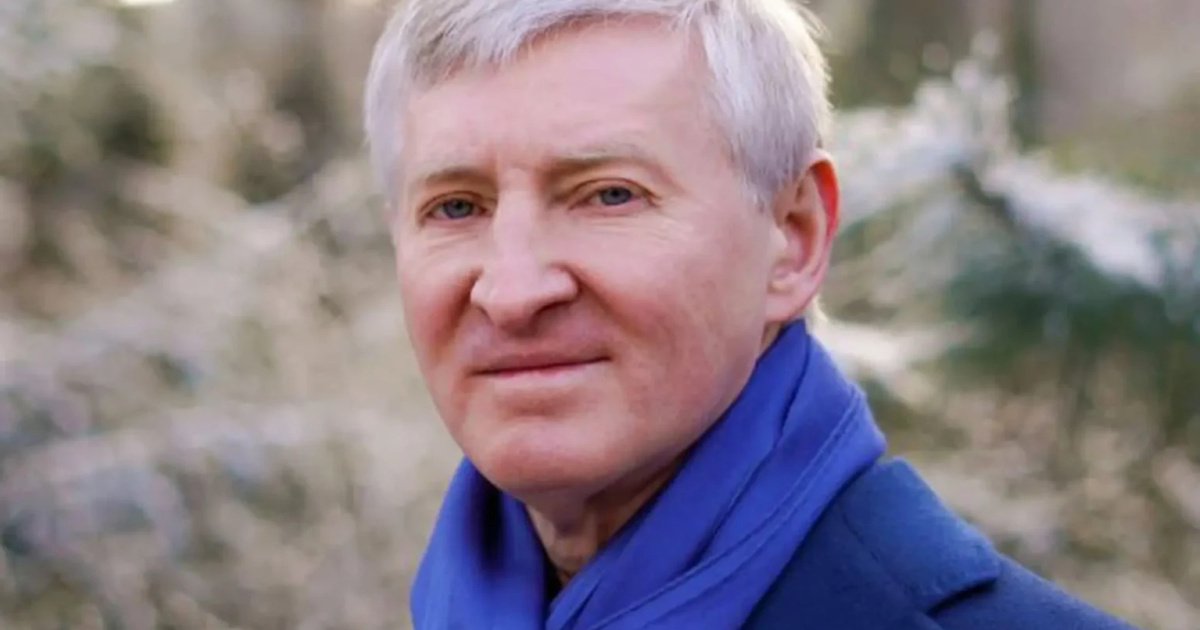
For russia, the "Spirit of Anchorage" is its own interpretation of what took place in Alaska between U.S. President Donald Trump and dictator vladimir putin. This was stated by Head of the Office of the President Kyrylo Budanov in an exclusive interview with RBC-Ukraine.
According to the head of the Presidential Office, russia and the United States have different interpretations of the events in Anchorage.
According to him, the kremlin believes in what it usually calls the "3 plus 2" formula.
"The three are the Autonomous Republic of Crimea, the Donetsk oblast, and the Luhansk oblast. The plus two are the parts of the Kherson and the Zaporizhzhia oblasts that are currently under their control. In other words, ending the war on those terms, with everyone recognizing the russian federation's full sovereignty over those territories. That is what the 'Spirit of Anchorage' means. That is the meaning the russians attach to this term", - Budanov explained.
He also added that there are many other elements involved. However, as far as Ukraine is concerned, this is the key issue.
"Everyone understands that this is unacceptable to us", - the head of the Presidential Office stressed.
Budanov noted that granting any "rights" in russia's favor—for example, recognizing russian as Ukraine's second state language—would not help restore the occupied territories. According to him, this can only be achieved through success on the battlefield and agreements reached in negotiations. Ukraine and the United States are the ones capable of forcing moscow to end the war.
"In the second tier comes Europe, because its opinion is not as important to russia, but in reality, a great deal depends on it", - Budanov added.
China's role is also important, although it has its own advantages stemming from the current situation.
Budanov added that the issue of simultaneously holding elections and a referendum on a peace agreement is no longer on the agenda.