

 Ukraine and the U.S. are laying the groundwork for an energy and maritime truce with russia, but moscow may block the agreements – political analyst Ihor Chalenko
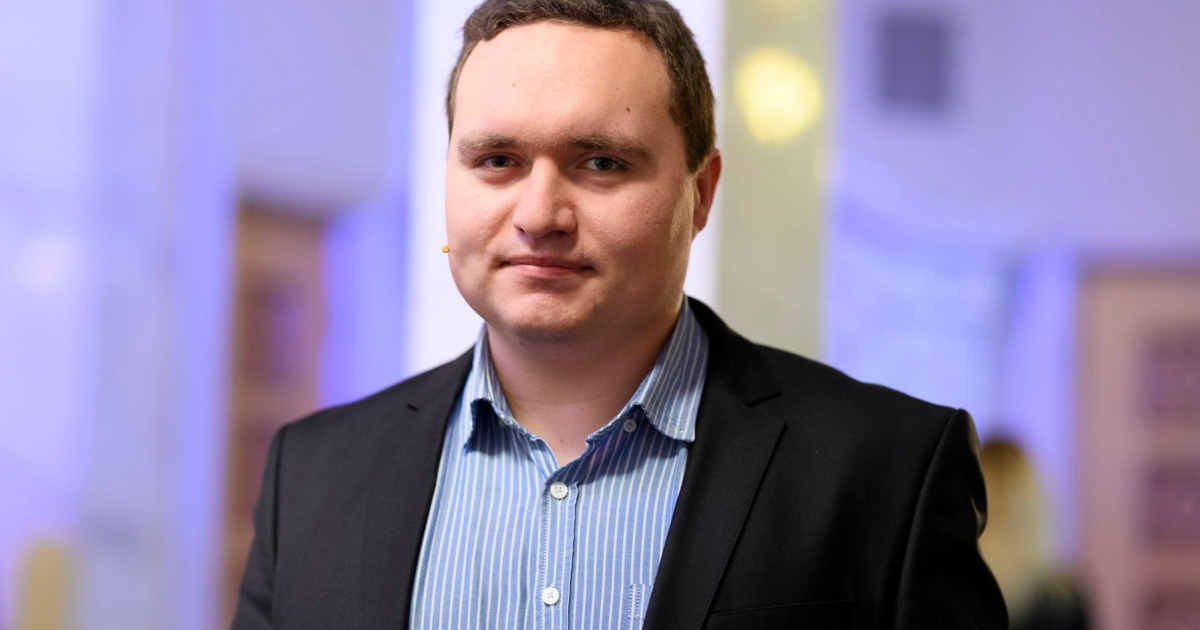
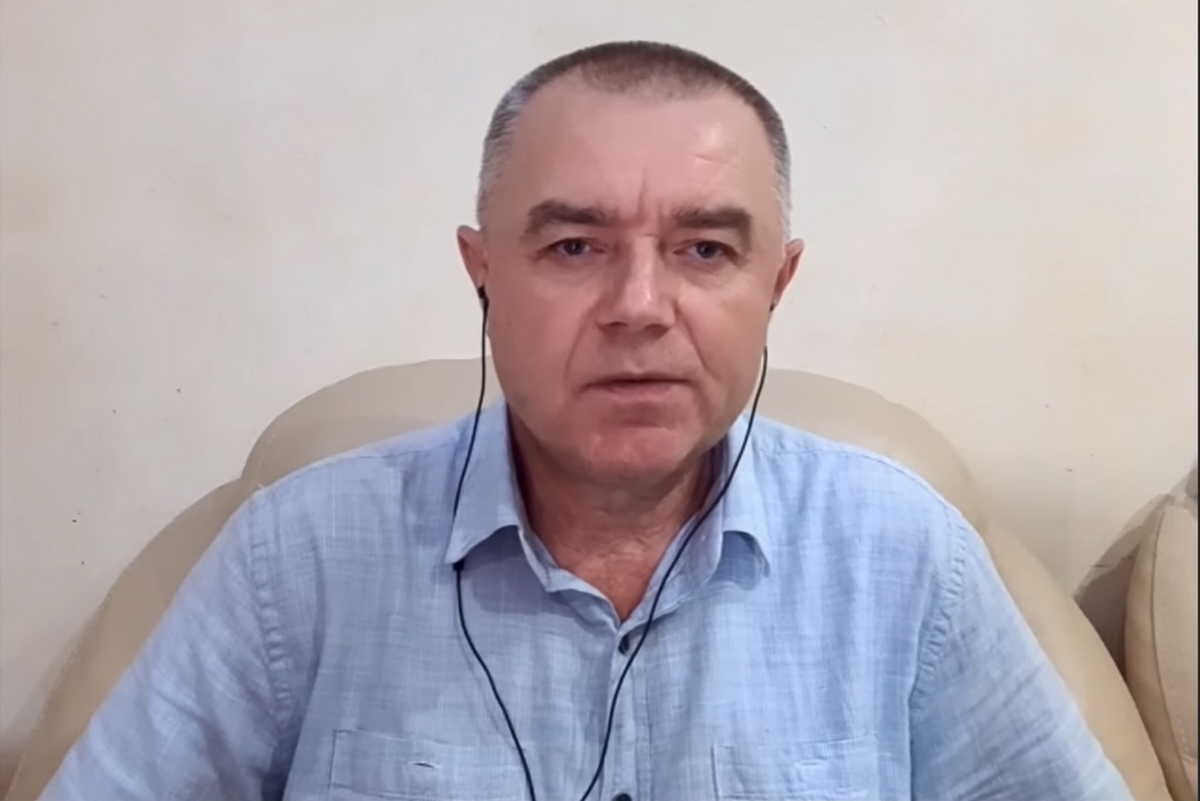
Preparations for a new round of trilateral talks involving Ukraine, the U.S., and russia are accompanied by consultations on post-war security guarantees, as well as efforts to reach specific agreements on an energy and maritime truce. At the same time, moscow's position so far provides no grounds for expecting a quick outcome: the russian side is effectively refusing to discuss halting strikes on energy infrastructure. Political analyst Ihor Chalenko, head of the Center for Analysis and Strategies, expressed this opinion in a comment to OstroV.
According to him, the current preparations for the trilateral meeting should not be viewed in isolation, but rather in conjunction with other diplomatic contacts involving Ukrainian, American, and European representatives.
He also drew attention to the consultations in Brussels on post-war security guarantees involving representatives of Ukraine, the U.S., and European countries, which were reported by National Security and Defense Council Secretary Rustem Umerov.
"All this indicates attempts to give the technical-level talks in Abu Dhabi much greater practical substance", - Chalenko explained.
In his assessment, one of the main issues in these talks could be the introduction of an energy and maritime truce. In addition, the current consultations could potentially pave the way for a high-level meeting involving Volodymyr Zelensky, Donald Trump, and vladimir putin in mid-December.
"Of course, we are talking about an energy and maritime truce and perhaps even a certain springboard for an in-person high-level meeting between Zelenskyy, Trump, and putin in mid-December", - the expert said.
At the same time, Chalenko cautioned against excessive expectations, as russia, in his assessment, is not interested in reaching such agreements and may try to slow down the negotiation process.
As one indirect signal that moscow may be willing to discuss a maritime truce, the political analyst cited the decision to issue permits allowing russian vessels to navigate the Sea of Azov and the Black Sea until November 15.
"Why do this? It can be viewed as an indirect signal that the russians themselves are considering the introduction of a maritime truce. In other words, there are certain facts and factors indicating that such efforts are underway", - he noted.
In turn, Chalenko takes a much more cautious view of the prospects for an agreement on an energy truce. According to him, moscow's unwillingness to discuss this issue is evident from statements by russian presidential press secretary Dmitry Peskov, who rejected the possibility of raising the issue of Ukrainian strikes on russian oil refineries during the talks in Abu Dhabi.
"This should effectively be seen as a refusal to discuss the issue of an energy truce", - the political analyst emphasized.
At the same time, in his opinion, Ukraine is interested in addressing both areas comprehensively – the maritime and energy truces. Meanwhile, the actions of the Defense Forces may strengthen the Ukrainian side's negotiating position.
"The activities of Ukraine's Defense Forces in this area provide greater confidence that our diplomacy may be able to achieve a certain result", - Chalenko said.
However, overall, the expert is not optimistic about the prospects for a new round of talks. He recalled that previous attempts to organize similar meetings had often ended with the russian side effectively refusing to reach agreements.
"Based on previous experience in organizing such meetings, we have always seen the same thing from the russians – an effective refusal and the blocking of any agreements", - the political analyst noted.