


1. In its November 15 assessment, ISW reported Ukrainian Armed Forces advances along the northern bank of the Vovcha River, south of Novopavlivka. Military analyst K. Mashovets reported that russian forces had withdrawn from Filiia in the direction of Dachne. A russian military blogger also acknowledged the absence of russian positions northwest of Dachne. The exact size of the liberated territory was not specified.
The Ukrainian Armed Forces' advance near Novopavlivka potentially improves the position of our troops at the junction of the Donetsk and Dnipropetrovsk oblasts. If the Ukrainian advance continues here, it could threaten russian supply routes in the Zaporizhzhia oblast.
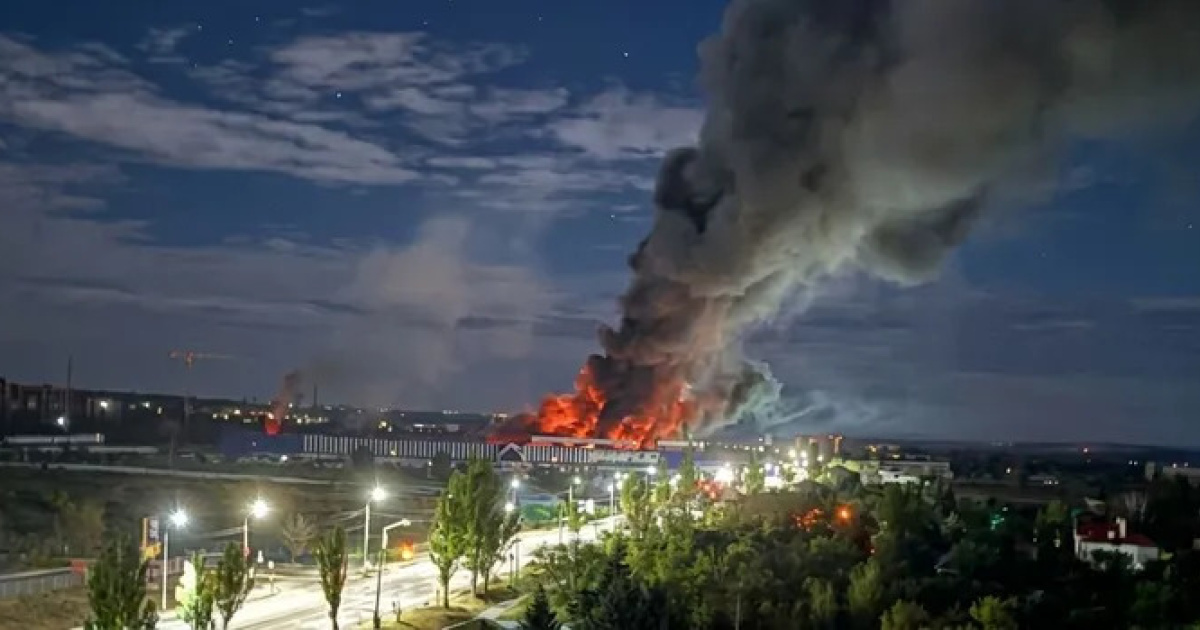
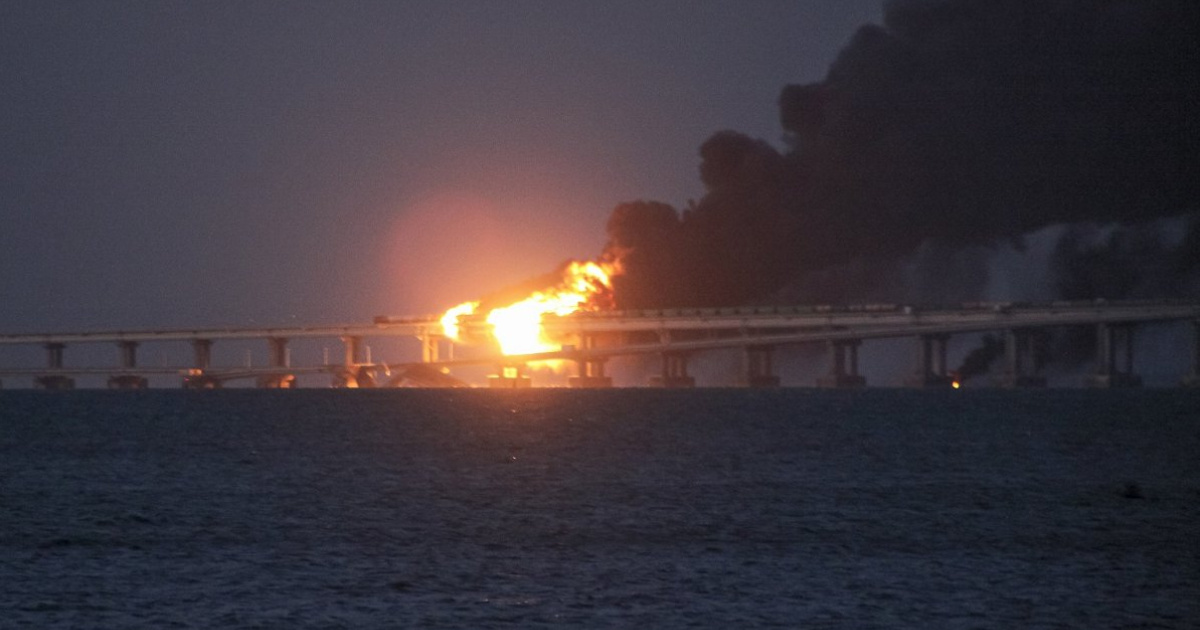
2. Overnight, an oil depot near the Port of Azov in Azov, the Rostov oblast, was attacked and caught fire. In his evening address, Zelensky stated that Ukrainian strikes had put more than 55% of the russia's oil refining capacity out of operation. Rostov Oblast Governor Y. Slyusar reported an attack on an electrical substation in Taganrog that supplies power to railway infrastructure, resulting in the suspension of train services on certain sections. The governor also confirmed damage to a road bridge on the R-280 highway between Rostov-on-Don and the Ukrainian border. Traffic was blocked. Since mid-October, this has already been the sixth strike against bridges in the Rostov oblast and the occupied part of Donbas. This morning, the occupation authorities in Crimea also reported a strike on the Crimean Bridge, resulting in restricted vehicle traffic.
The Rostov oblast is one of the main logistical hubs through which the russian federation supplies its troops in southern Ukraine. Disruptions to rail and road transportation in this area, combined with continued operations targeting the Kerch Bridge, not only complicate the transfer of ammunition, fuel, and equipment to the Zaporizhzhia and Kherson oblasts but also hit supplies to Crimea. The latter creates not only military but also political consequences for the kremlin. Clearly, Kyiv is laying the groundwork for a potential trade-off: the lifting of Crimea's blockade in exchange for russian strikes on Ukraine's energy infrastructure during the winter months.
3. Russian drones attacked substations and other infrastructure facilities in the Zaporizhzhia, Sumy, Odesa, Zhytomyr, Kirovohrad, Donetsk, and Kyiv oblasts.
Frontline cities are being hit in their social infrastructure, while western regions further from the front are being targeted in their industrial sectors. This creates both a social problem, with the growing number of internally displaced persons (IDPs), and pressure on the economy that supplies the front line. By expanding the geographical scope of its attacks, the kremlin is forcing Kyiv to spread its limited air defense resources across the entire country rather than concentrating them in the east and the capital area. This reduces the overall effectiveness of Ukrainian air defenses.
4. Yesterday, Volodymyr Zelensky publicly demanded the lifting of restrictions on the operation of the Starshield satellite communications system, operated by SpaceX. According to him, Ukrainian interceptor drones lose contact with their operators at speeds exceeding 161 km/h and are therefore unable to catch up with jet-powered Shahed drones. The Institute for the Study of War explicitly stated that the russian army is exploiting these restrictions to strike Ukraine's energy infrastructure. The Ukrainian caucus in the U.S. Congress demanded a full explanation from the White House and SpaceX, as well as the restoration of access.
Against the backdrop of a shortage of air defense resources, restricting the capabilities of the interceptors already available is clearly working in moscow's favor. However, it remains unclear who exactly has given the aggressor an advantage in the skies: Trump or Musk? It is noteworthy that these actions are taking place despite the threat of congressional investigations, which Democrats will be able to launch as early as January. This suggests that moscow is placing its main bet on strikes against Ukraine specifically in November and December. Presumably, this is intended to secure the most favorable position for russia in the February negotiations with Ukraine.
5. On the evening of November 15, A. Chertkov, the so-called “head of the DNR government”, stated that electricity had been completely cut off across the “republic”, that the damage was “quite serious”, and attributed the situation to a “powerful enemy attack”. The local so-called “Ministry of Coal and Energy” reported that it was impossible to determine when power would be restored. The previous day, seven communities in the so-called “LNR”, including Luhansk, had been left without normal water supply due to problems with electricity.
For the first time, the occupation administration itself has acknowledged the complete collapse of the region's power system. Clearly, this has been caused not so much by Ukrainian Armed Forces strikes as by the deterioration of the networks and the lack of genuine integration of Donbas's power system into that of the russian federation. Without electricity, water supplies and heating come to a halt. In terms of living conditions for the population, occupied Donbas is once again becoming a frontline zone.