




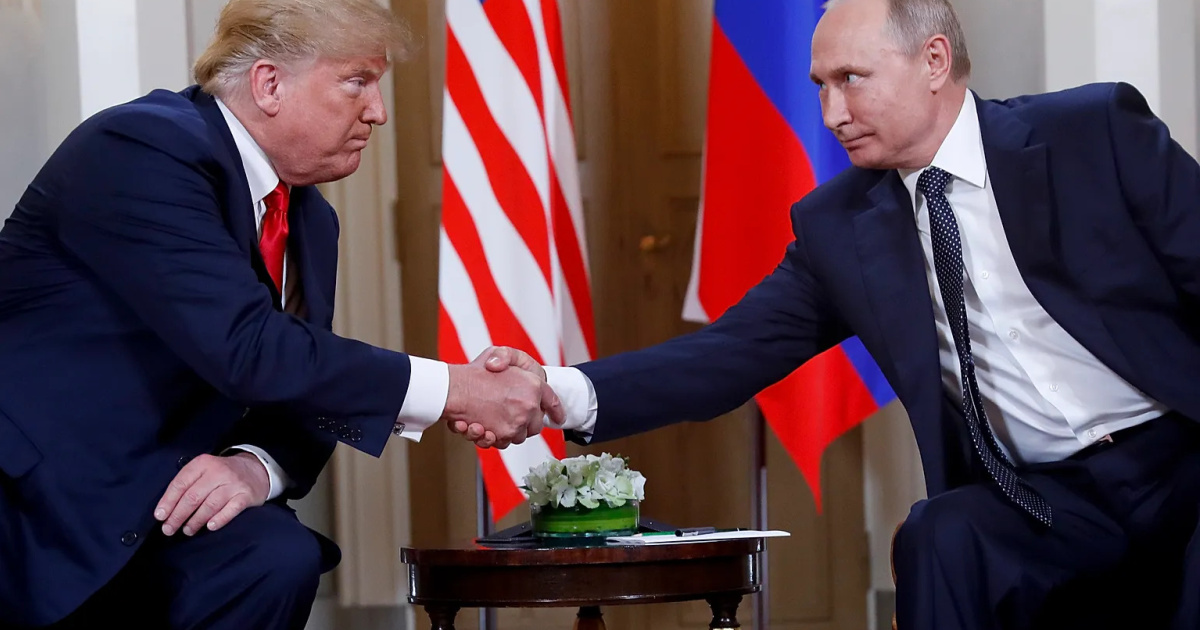
1. Trump wrote on Truth Social that russia and Ukraine had agreed to stop strikes on each other's energy infrastructure: “effective immediately” and “do not violate this”. Zelensky said that this announcement “came as news to him” and asked to be informed when the ceasefire would take effect. He confirmed his readiness to halt strikes on russian energy infrastructure if moscow took reciprocal action. On October 11, the kremlin did not officially confirm the ceasefire agreement. That same evening, russia struck Kharkiv CHPP-5…
Trump lied. Apparently, this was intended to influence fuel markets ahead of the congressional midterm elections. A ceasefire that neither side has confirmed, with no agreed start date or verification mechanism, is simply a tool for the United States to further weaken Ukraine in putin's favor. It is noteworthy that Trump is pressuring only Kyiv. He is making no demands of moscow.
2. According to media reports, representatives of the Trump administration are calling Kyiv and European capitals and threatening to suspend U.S. arms supplies to Ukraine unless strikes on russian energy infrastructure stop. According to the same reports, Washington threatened to halt intelligence sharing with Kyiv.
This is direct pressure from Washington on Kyiv aimed at changing its war strategy — the only one that has already proven effective. Missiles and intelligence are two resources that Europe cannot replace: the allies have money, but they do not have Patriot systems or satellite intelligence capabilities of this level. If the threat is carried out, Trump's “peacemaking” will bring more deaths to Ukraine than if Ukraine officially rejected U.S. mediation in negotiations with russia. This is because Trump is currently using this mediation exclusively to justify his dialogue with putin and as a bargaining chip at the negotiating table between the White House and the kremlin. At present, this mediation makes sense only in exchange for missiles and intelligence. Without these, Kyiv has no practical reason to give Trump aces in his game with putin.
3. Ukrainian drones knocked out Yandex's data center in Vladimir — the company's third facility hit in four days. Users across russia, as well as in Serbia, Kazakhstan, Belarus, and Armenia, reported disruptions affecting dozens of services.
Shifting long-range strikes from oil refineries to data centers represents a change in the campaign's logic. Ukraine is not targeting export revenues but the functioning of the entire russian digital economy, something that cannot be offset by rising global oil prices. Moreover, this target does not fall under Trump's “energy ceasefire”, meaning it remains accessible even if the ceasefire is formally observed.
4. Trump stated that “it is time for Ukraine to get a new president”. The day before, he claimed that Zelensky “does not want” to end the war himself. Musk publicly backed Trump. Zelensky responded that he was ready for elections if russia agreed to a full 60-day ceasefire.
Moscow will not agree to a two-month halt in hostilities, especially now, when it has an advantage in the air and hopes to break the will of the Ukrainian people over the winter. Without such a halt, elections cannot be held because martial law is in effect. However, Trump's statements are important: they demonstrate his true attitude toward Ukraine and show that he sees no other path to “peace” than forcing Kyiv to sign a capitulation agreement with russia, something Zelensky is resisting.