

1. London is declassifying information about the British components of Storm Shadow/SCALP missiles and is transferring their production technology to Ukraine. This will make it possible to establish local assembly of cruise missiles on Ukrainian territory jointly with France.
In parallel, an agreement on artificial intelligence was signed: the UK is becoming the first international partner with access to the Ukrainian Avengers AI Labs platform, which collects combat data from thousands of frontline sensors. In exchange, Ukraine gains access to the British AI ecosystem — the third-largest in the world by scale. The transfer of technology instead of finished products frees Ukraine from the political cycles of donor countries: domestic production of cruise missiles cannot be “frozen” by a change of government in London or Washington. But the effect is delayed — it usually takes one to two years from licensing to serial production, so this resource will not take effect this winter.
2. The European Commission approved €6.1 billion under the Ukraine Support Loan program (total volume — €90 billion). Ursula von der Leyen clarified that the funds will go toward air defense and missile defense systems, missiles, ammunition, and radars. The fulfillment of the €19 billion commitment was separately confirmed.
3. Full-scale exercises of the Coalition of the Willing are scheduled for October–November 2026, involving around 1,500 French and British troops in Poland — as a demonstration of readiness to fulfill security guarantees for Ukraine after a ceasefire.
4. On the night of August 24, russia attacked Ukraine with Oniks cruise missiles, guided missiles, and 143 drones. The main strike hit the Odesa oblast: two Epicentr shopping centers were on fire, while food warehouses, energy infrastructure, and private houses were damaged.
The geography of the strikes — Odesa (ports, food warehouses, energy infrastructure), Chernihiv, Kharkiv — points to preparations for a winter campaign against infrastructure and the destruction of agricultural export logistics.
5. The General Staff of the Armed Forces of Ukraine confirmed a strike on the Kamensky plant in Kamensk-Shakhtinsky, the Rostov oblast — a state-owned defense industry enterprise producing solid rocket fuel for Uragan, Smerch, and Tornado-S multiple rocket launchers. A fire was reported at the facility. At the same time, drones attacked four Ozon marketplace logistics centers at once — in Krasnodar, Makhachkala, Adygeysk, and Nevinnomyssk. Large fires broke out at two locations, and the warehouses were closed.
The strike on rocket fuel production will lead to a reduction in fuel output, affecting the entire range of russian multiple rocket launchers and guided weapons with a lag of several months. The attacks on Ozon warehouses represent a fundamentally new category of targets: not the military, but the civilian-commercial sector that, according to the Ukrainian version, also facilitates military transportation. This brings the perception of the war into the everyday lives of russian consumers. Combined with the shutdown of the Perm oil refinery, a consistent picture is emerging: Ukraine has found an asymmetric response to the enemy’s twofold superiority in military spending.
6. U.S. President’s special envoys Steve Witkoff and Jared Kushner postponed their visit to Ukraine, which had been planned for the second half of August. The stated reason was the intensification of missile and drone strikes on Kyiv last week. According to sources, the visit has been postponed but not canceled.
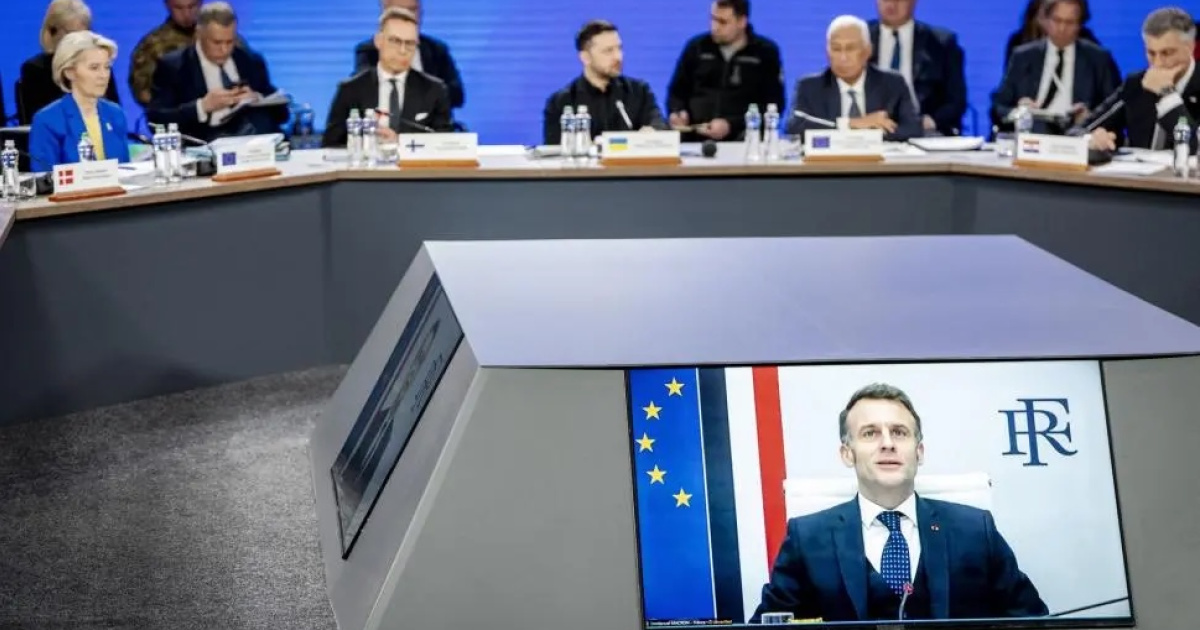
At the same time, Finnish President Alexander Stubb said in Kyiv on August 24 that, in his understanding, the Americans do not want to send Witkoff and Kushner either to Kyiv or moscow until they see a real possibility of achieving results in negotiations.
The postponed visit of Witkoff and Kushner is the most telling development of the day. It demonstrates that russian strikes function not only as a military but also as a diplomatic tool: the intensity of the attacks physically blocks the negotiating track, while moscow bears no responsibility for this.
7. Occupied Mariupol was left without electricity, a large-scale power outage occurred in Donetsk, and part of the “LNR” was left without television and radio broadcasting for a week due to an accident.
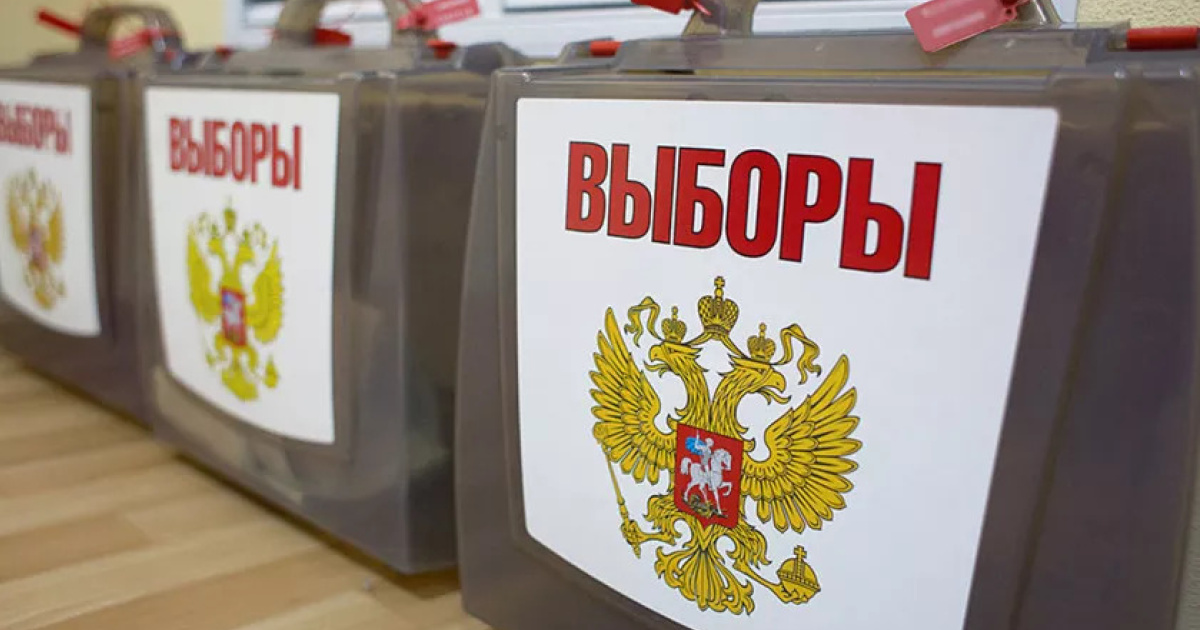
The degradation of public utilities infrastructure in the occupied territories is becoming systemic and creating a problem of governability for moscow itself. The abandonment of electronic voting in the State Duma elections is an indirect acknowledgment that control over the territory is insufficient even for simulated procedures.