



1. Another russian shelling attack. The main targets were the sorting facilities of “Nova Poshta” in the Sumy and Kyiv oblasts, and “Epicentr”. The Kherson thermal power plant lost all of its generating capacity. “Naftogaz” reported extremely serious damage to the facility that provides heat to a significant portion of the city’s residential buildings.
The winter campaign against the energy sector began in August, rather than in October as usual. The nature of the russian strikes’ targets — energy infrastructure, logistics, and large commercial/warehouse facilities — indicates that the enemy is betting on making our cities uninhabitable in winter.
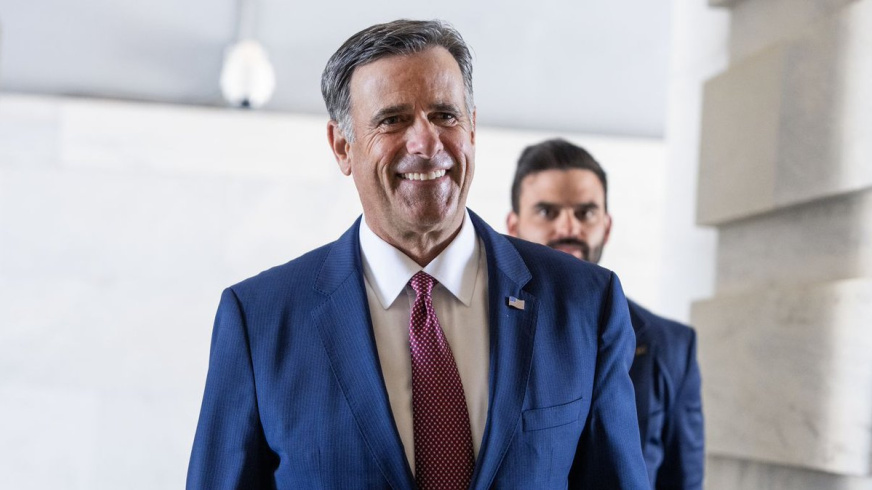
2. Alexander Lukashenko made an unannounced flight from Minsk to moscow for a meeting with vladimir putin. It is telling that this happened shortly after CIA Director John Ratcliffe’s visit to the russian capital. The russian Foreign Ministry, through Maria Zakharova, threatened that any British military facilities in Ukraine and beyond its borders could become targets for russian strikes if Kyiv uses British weapons.
The escalation of the war is taking place not only on the military track but also on the geopolitical one. Such a backdrop is not favorable for peace negotiations.
3. On August 27, the National Bank of Ukraine began unscheduled inspections of banks whose clients posted bail for former Minister of Justice and Energy Herman Halushchenko. At the same time, the Security Service of Ukraine is seeking temporary access through the Shevchenkivskyi District Court of Kyiv to the document management system of the High Anti-Corruption Court, which would allow the security service to see NABU detectives’ requests to conduct searches.
The authorities continue to fight not corruption, but the institutions and mechanisms that expose it. At the same time, the resilience of NABU and SAPO remains a condition for macro-financial assistance from the EU and IMF, and any weakening of these institutions is immediately reflected in the schedule of tranches.
4. On August 27, Brent crude was trading at around $89.59 per barrel, gaining almost 2% during the day. Two days earlier, following reports of an agreement between Iran and Oman on a temporary joint maritime corridor in the Strait of Hormuz, the market fell sharply: Brent dropped 3.9% to $88.58 per barrel. However, the Iranian side warned that the agreement did not guarantee the immediate opening of the strait, and prices recovered the losses.
On the one hand, the high price of a barrel fills the russian budget. On the other hand, the shortage of refining capacity inside russia, caused by our “long-range sanctions”, turns oil into a useless asset: the crude oil is there, but there is no gasoline at the filling stations. Strikes on refining and export logistics are effective.
5. Donald Trump said in a phone interview with Axios that he was “not at all concerned” about the possibility of russia attacking NATO countries: “There is no problem”.
The gap between Washington’s assessment and the experience of NATO’s eastern flank demonstrates the inadequacy of the “leader of the West’s” assessment of the situation. Moscow is already waging war against Europe through sabotage, arson, and cyberattacks, but Trump does not see it. In other words, there is a war that does not cross the threshold of Article 5 and therefore does not trigger a collective response, leaving the kremlin with free rein.