


 "Trump's swing": Political scientist Fesenko explained the U.S. president's constant shifts in position toward Ukraine
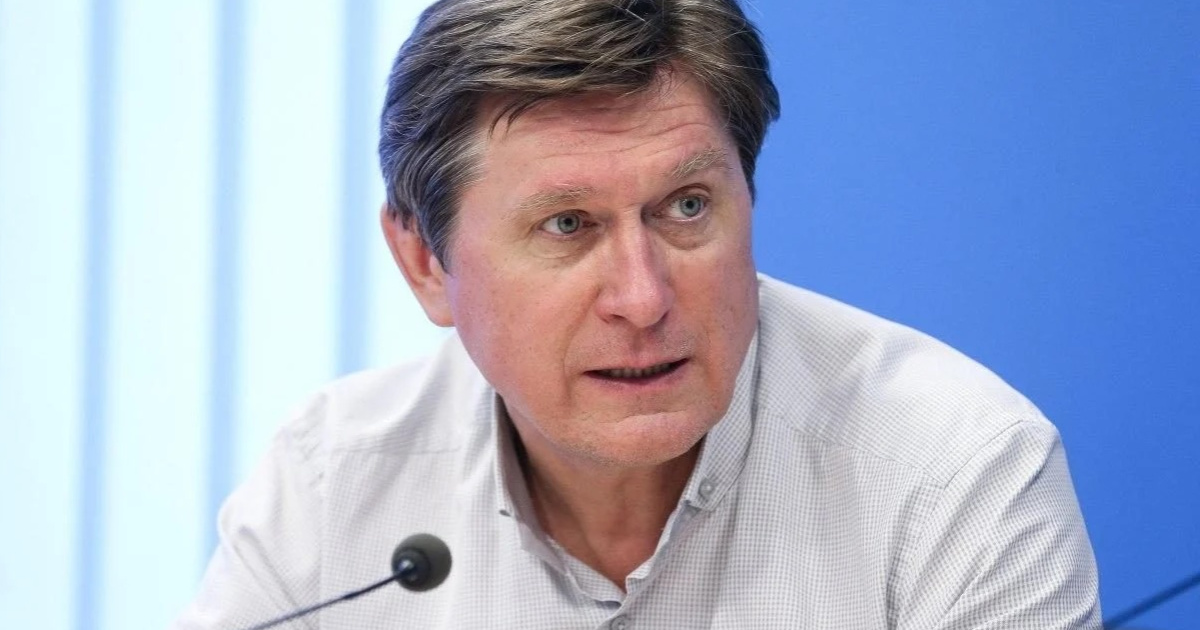
Despite claims that U.S. President Donald Trump has allegedly changed his attitude toward Ukraine, he has not taken and will not take Ukraine's side. At the same time, his position on the russian-Ukrainian war remains contradictory and constantly changes under the influence of various factors. Ukrainian political scientist and director of the Penta Center for Political Studies, Volodymyr Fesenko, shared this opinion in a comment to OstroV.
"When some media outlets, including certain Western publications, started writing that Trump had switched to Ukraine's side, I was very surprised. He was not, is not, and will not be on Ukraine's side. Just as he was not on the russian side either. That is an oversimplified perception of his position", - Fesenko said.
The political scientist recalled that Trump himself stated during a meeting with Ukrainian President Volodymyr Zelensky that he takes a neutral position.
"He clearly said: 'I'm in the middle. I'm not on your side, and I'm not on theirs'. Trump works first and foremost for himself and for American interests. That is the key thing to understand", - the expert noted.
Fesenko emphasized that one fundamental position remains unchanged for the U.S. president — his unwillingness to provide Ukraine with aid free of charge.
"Trump is not going to provide Ukraine with new financial or military assistance. The maximum he is prepared to do is share intelligence and sell weapons. There will be no more aid on the Biden model. Nothing will change here because Trump does not like giving anyone gifts", - he explained.
At the same time, the expert noted that the American president's emotional attitude toward Ukraine is constantly changing.
"Trump does not have a stable position on Ukraine. It regularly fluctuates. I even call it 'Trump's swing'. There are periods of a positive attitude toward Ukraine, after which new reasons for criticism emerge. These swings happen constantly", - Fesenko said.
He recalled that Trump and Zelensky have held several meetings recently that could be considered successful, but their positive effect proved temporary.
According to the political scientist, the U.S. president's decisions are influenced by a whole range of factors.
"These include the position of his inner circle and the work of russia, which has contacts with certain people on Trump's team and can indirectly influence his decisions. External circumstances also play a role — other international crises, weapons shortages, and domestic political considerations. All of this is reflected in his behavior", - the expert noted.
Fesenko added that another factor is the struggle between different groups of influence within the U.S. administration.
"There are people in Trump's circle who are highly critical of Ukraine, but there are also those who see it as a promising partner that should be used in America's interests. This competition also contributes to the constant fluctuations in the U.S. president's position", - the political scientist concluded.