

I’ll say something banal, but the Internet is an entire world. For a very long time, I didn’t feel isolated precisely because of having stable Internet connection. A bunch of friends. Friends who had left. Job opportunities. Communication and meeting someone new. Endless peeking into others’ lives through social media. There was a persistent feeling that you were part of ordinary life, and if separated from someone, then only very slightly. Friends who had left would say admiringly: “You know our news better than we do!”
And indeed, it became a habit to monitor news sites, read in the morning and in the evening, watch videos, analyze everything. Even arranging humanitarian aid was convenient via the Internet. And it was the Internet that, for a time, replaced travel, meetings, trips, parties, walks. The Internet satisfied the hunger for impressions.
Of course, this is an illusion of a full life. When friends write that they are traveling, and you feel happy for them at a distance, scrolling through their photos while lying in bed.
And there was also an acceleration of events. Friends would report that they had given birth only after the fact, and because of this it felt as if everything was happening like on fast-forward, at will, easily.
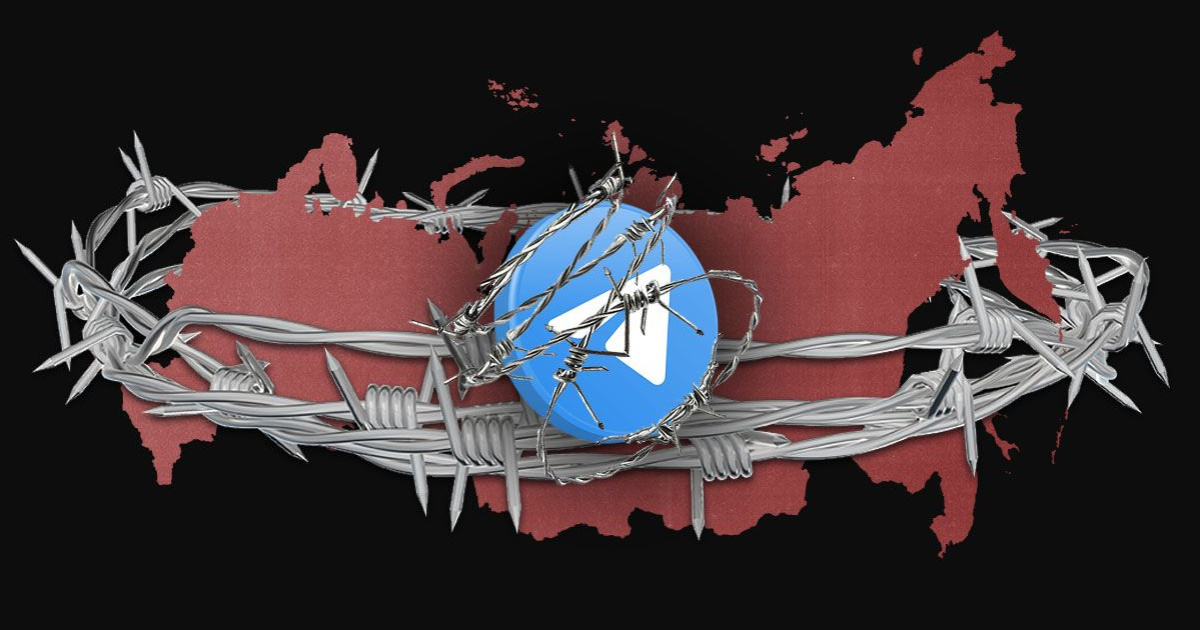
The new realities tested us: at first, they banned Viber, then WhatsApp, now Telegram. And the ban on using Gmail services. And forcing the usage of the mandatory russian government messenger Max… They even check the lists of those who have Max installed. Those are trials for the most resilient.
And then, in these collisions of disappearing messengers, some random connections began to vanish. As if they had existed only until the first test and fell away immediately, failing the test of strength. There was also Facebook, which has also been banned. And friends from those social networks can no longer be found or restored, I’ve already started forgetting them. As if over these years only the most devoted, the closest ones remained. Although we lost each other for a time, then found each other again, and talked regularly. Like ships across the vastness of a big life.
Instagram fell under a ban as well. Only VKontakte and Odnoklassniki remained. And somehow it became easier from the fact that a layer of glossy, successful friends left your life.
The social circle became narrower — and that, too, had to be gotten used to. There are those who continue to live other people’s lives around the clock. They follow those social media accounts and believe that they are also part of those yachts, skis, and trips to the south. The difference is that those people are actually sailing somewhere on a yacht, and you send them greetings from Krasnodon or Markivka, believing that you are, as before, one whole.
I know many people who continue to live on the Internet. They get new photos from children who have left. Then share these bright photos with everyone here, which is followed by a wave of admiration and sighs until the next batch of photos from the children comes. As if they live not apart, but in neighboring rooms.
Calls from children are like a breath of fresh air. Evening communication, attempts to be helpful, attempts to preserve relationships and family. Attempts to give some advice and not feel isolated. And when Telegram was blocked, everyone was shocked. This is the only channel of communication with the outside world. The channel through which we could receive messages, sometimes call each other, send photos — though all of this became more and more difficult. And then — nothing.
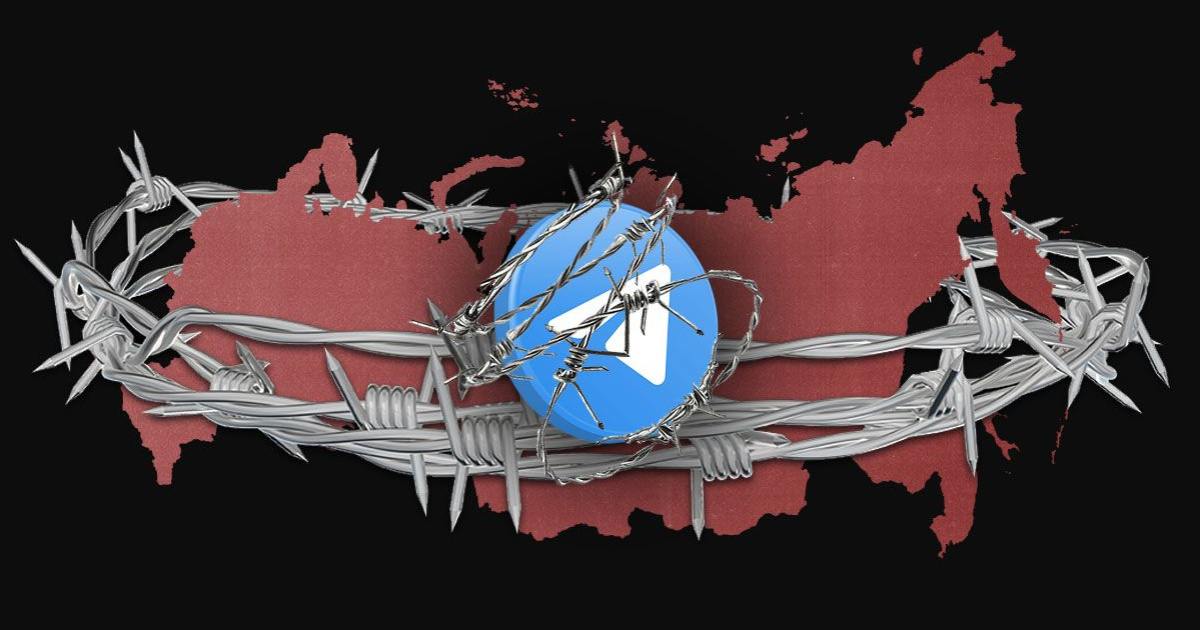
On March 22, they slowed down Telegram. As loud as it may sound, it felt like the world stopped. What about all the texts, connections with family members!? It turned out that all life was in Telegram.
As if on purpose, you could see that texts were arriving, but it was impossible to open and read them. A friend of mine has a son serving in the Armed Forces of Ukraine, and she lives here. For her, any message from meant that he was still alive. And when Telegram stopped working, for her it meant complete isolation from everything. A tragedy. Her neighbor installed some additional apps for her, so that Telegram started working. Logging in just to see that her son had been online also meant that he was alive, and she needed nothing more.
Another acquaintance of mine has a son who lives in Poland. Not only did he lose the thread of communication with his son, but I also lost contact with this acquaintance, because we communicated only in Telegram.
Now, all official groups are only in Max. Corporate communication in Telegram has been banned. Once, in the same way, it was forbidden to answer calls from Ukrainian operators in government institutions, and connected SIM cards were checked.
We have become accessible only to residents of russia and open to communication only within the country. And we knew that it would be so, but it still came as a surprise. In response to attempts to write something, partners reply: “We cannot read your message, text us in Max”. And this communication has become sluggish, unwieldy. Messages were not read, not noticed, skipped, and you yourself could not always read or see them. Some asked to write by email, but replied to those letters every other time. It turned out that Telegram was a thread connecting us to the world, a way of communication, a replacement for everything that stopped working here.
Telegram gave the illusion of life, work, communication. Here they joke that all correspondence in Max is read and analyzed. And they themselves respond — then don’t write anything that shouldn’t be written. And we get used to new realities. We connect proxies. We take a breath to keep running, and we run. This is not the finish line, it is just new difficulties that we will also get used to.
By Olha Kucher, Luhansk, for OstroV