
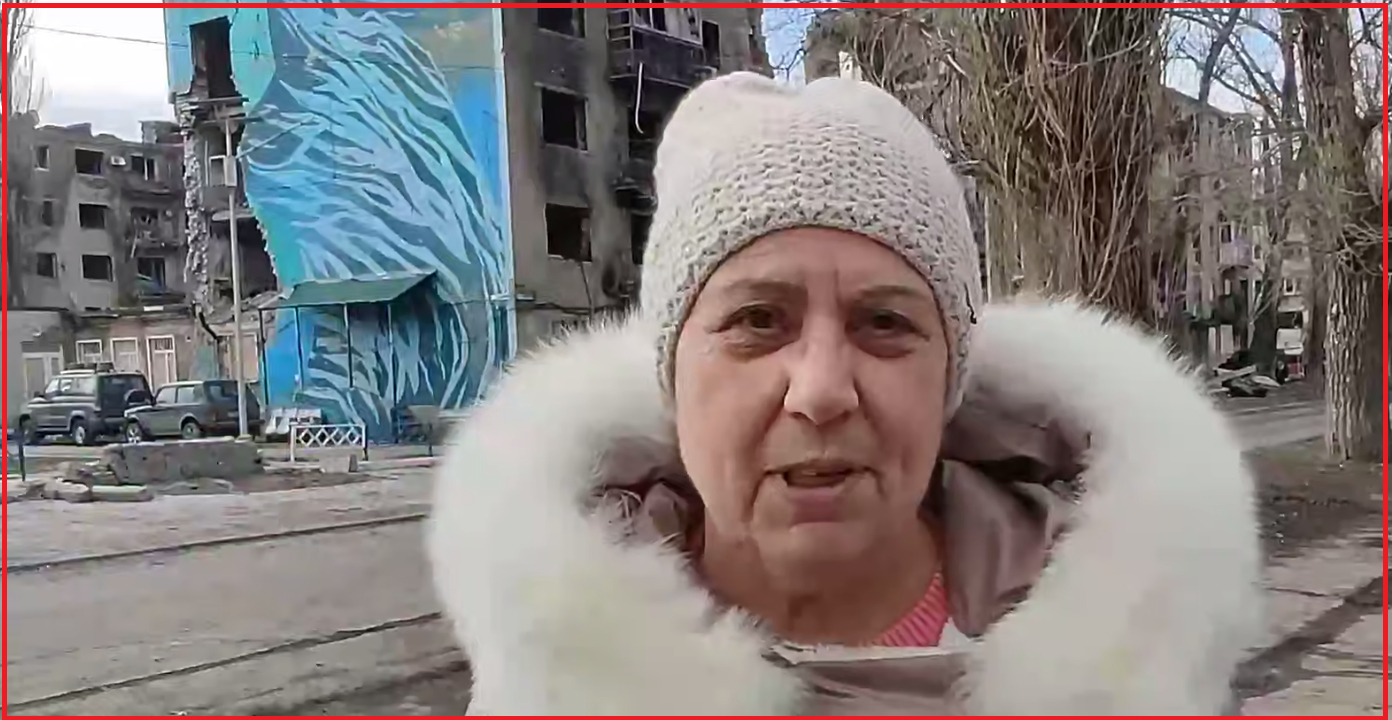
It so happened that the cities in Donbas where I had been on my recent trips — Kurakhove, Pokrovsk — are now impossible to return to. At least in the near future… I noticed this trend in the spring, while being in Sloviansk. I wouldn’t say I’m superstitious, but back then, just in case, I tossed a coin onto the soggy road. Now, after several days in Kramatorsk and a trip to the same Sloviansk, there are reasons to think the scheme works — a handful of coins flies onto the nearest lawn…
However, a sense of stability, or rather the absence of the expected feeling of loss, arises in frontline Kramatorsk immediately: something is always exploding somewhere, but the city is clean, well-lit, and dynamic. By the first two parameters, the situation is much better than in Kyiv right now.
The road and valuable advice
A ticket from Kyiv to Sloviansk and Kramatorsk can now be bought only to the Barvinkove station in the Kharkiv oblast. This is 58 km from Kramatorsk. The question of “why” disappears when you pass Lozova — the railway station building in the stalinist style of is heavily damaged by shelling.
Already at the railway station in Kyiv, it turned out that the carriage indicated on the ticket was not in the train — “it was uncoupled”, and I was seated in another one. “Fewer people are traveling now”, - the conductor explains. It turns out that the Intercity train no longer runs to Kramatorsk. “Shredded by explosions, the carriages were damaged”, - he says reluctantly, for some reason, as if it were something forbidden. For most of the journey, the smartphone, which also serves as a modem for the laptop, shows the sign “E”, meaning there is no mobile internet. It won’t be possible to work properly. But you can sleep or read. Travel time is more than 8 hours. The carriage is warm…
On the platform in Barvinkove, a man calls out: “A ride to Sloviansk, Kramatorsk”. There is a minibus for 8 people. About 20 minutes later, we depart. Fare is 300 UAH. Soon, jolting along a broken road, we see a large “Sloviansk/Kramatorsk” bus. It becomes interesting how much the fare on it costs. “From 420 UAH. Taxi is 1300 UAH”, - Google informs.
In front of the windshield of our minibus there was also a cardboard sign “Druzhkivka”, which the driver removed immediately after departure. It turned out he himself lives in Druzhkivka. There is a curfew there from 3 p.m . to 11 a.m. And you can enter the city within this 4-hour window, even public transport operates there.
The road to Kramatorsk took 1 hour 20 minutes. While we were driving, it got dark, although it was only half past three. In the east, darkness comes earlier than in the rest of Ukraine…
In the acting regional center itself, even, well-lit, clean roads immediately catch the eye. Unlike “frontline” Kyiv. But the good mood is interrupted by a text from a soldier I know: “…don’t hang around outside too much, there are shellings”. My inner “Kyiv resident” responds smartly: “staying inside doesn’t save you from shelling either”. The response is: “A direct hit is needed to ruin a house, but there is a shrapnel and shockwave threat outside”.
Kramatorsk
The city has water, heating, and electricity. The latter is not switched off. Curfew is from 9 p.m. to 5 a.m. Shops are operating, but prices are at Kyiv levels, and for some items even higher. For example, a kilo of smoked mackerel costs 830 UAH.
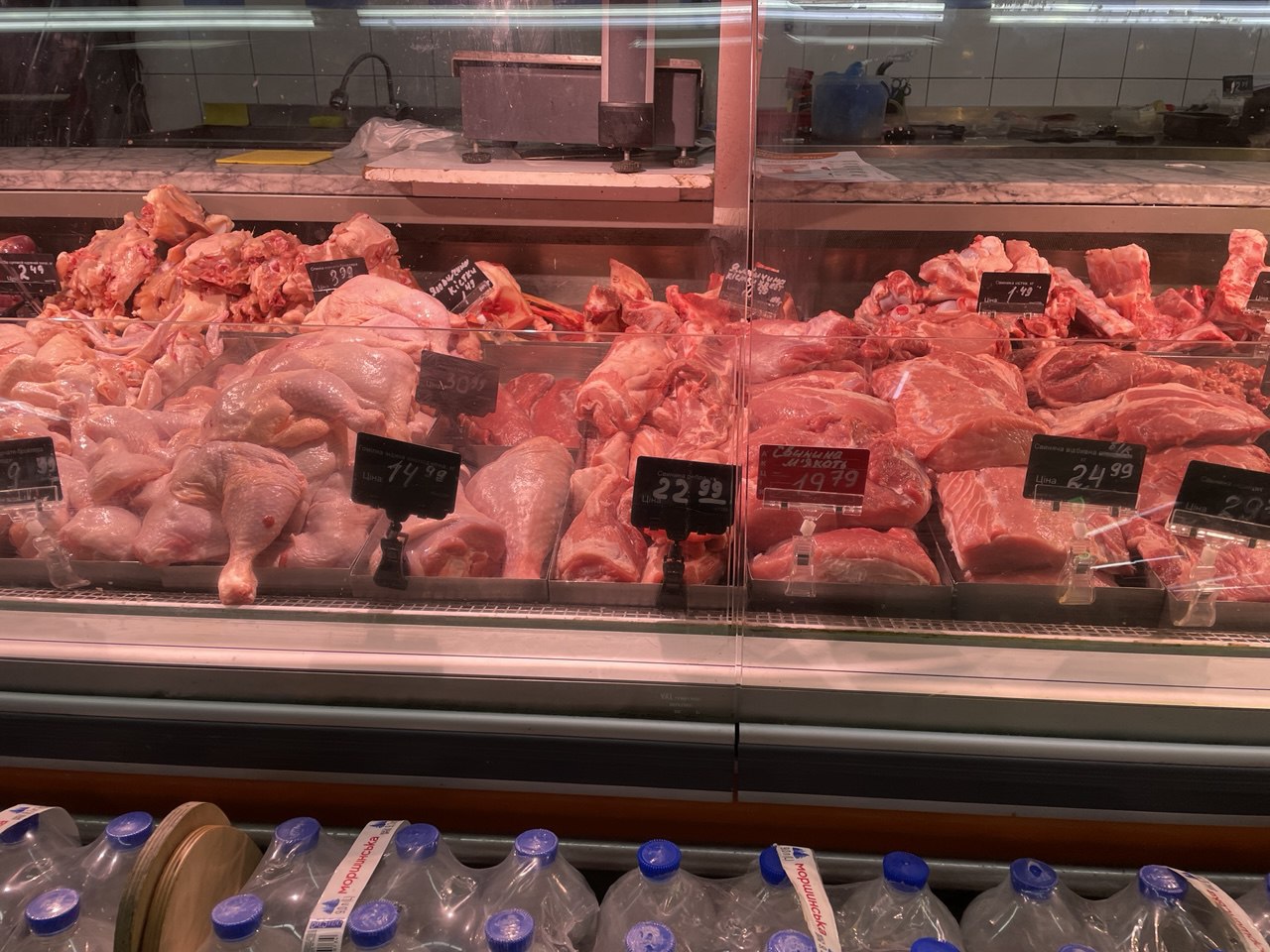
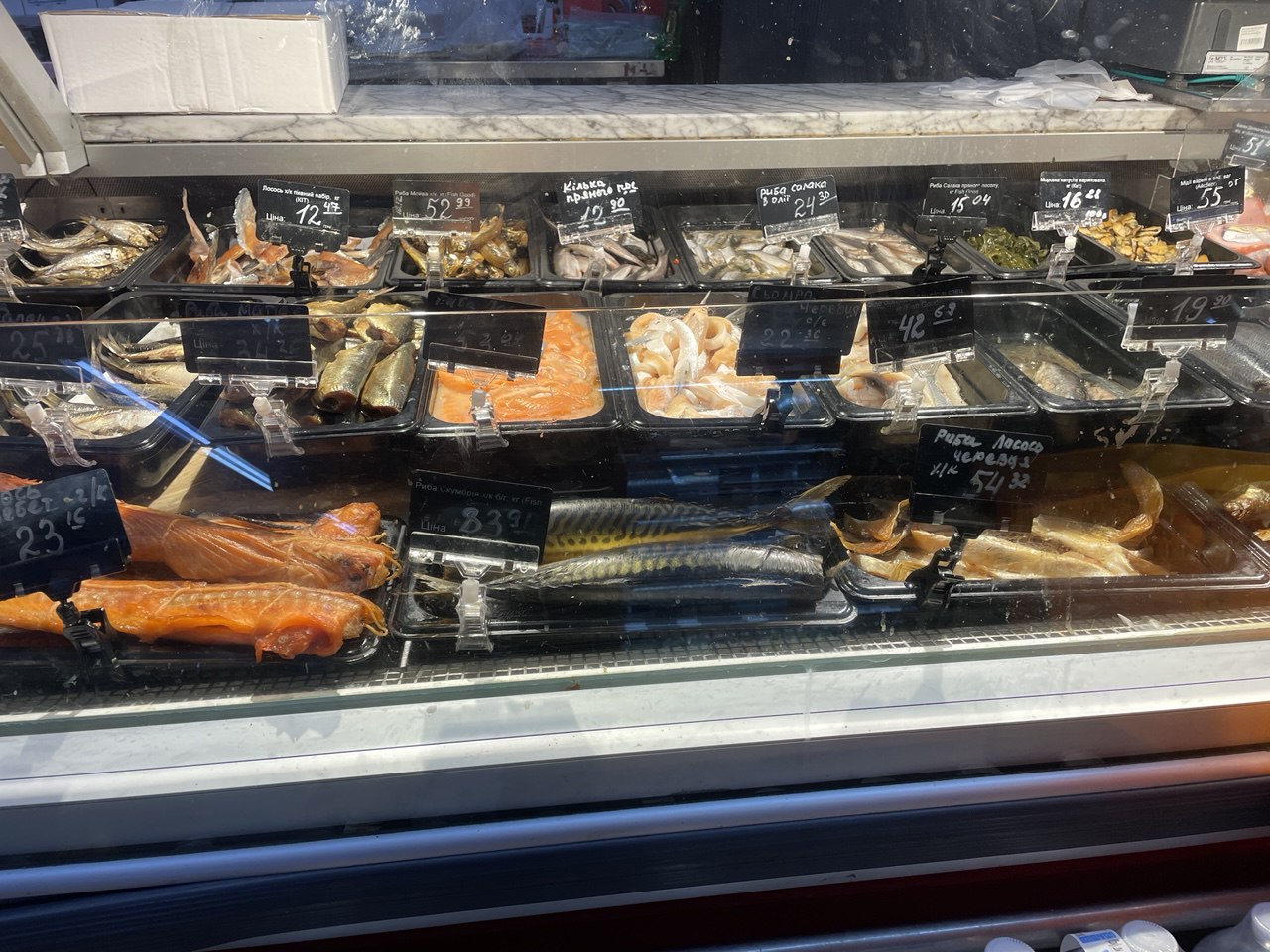
All week except Monday, a crowded market operates. From it, for another half a kilometer of sidewalk, there is a flea market. Agricultural products are also more expensive. “A kilo of potatoes cost 20 UAH at the market, onions — 20, carrots — 20. In Ivano-Frankivsk potatoes are 12 UAH, onions — 6–7…”, - compares a local resident who recently arrived from the west of Ukraine.
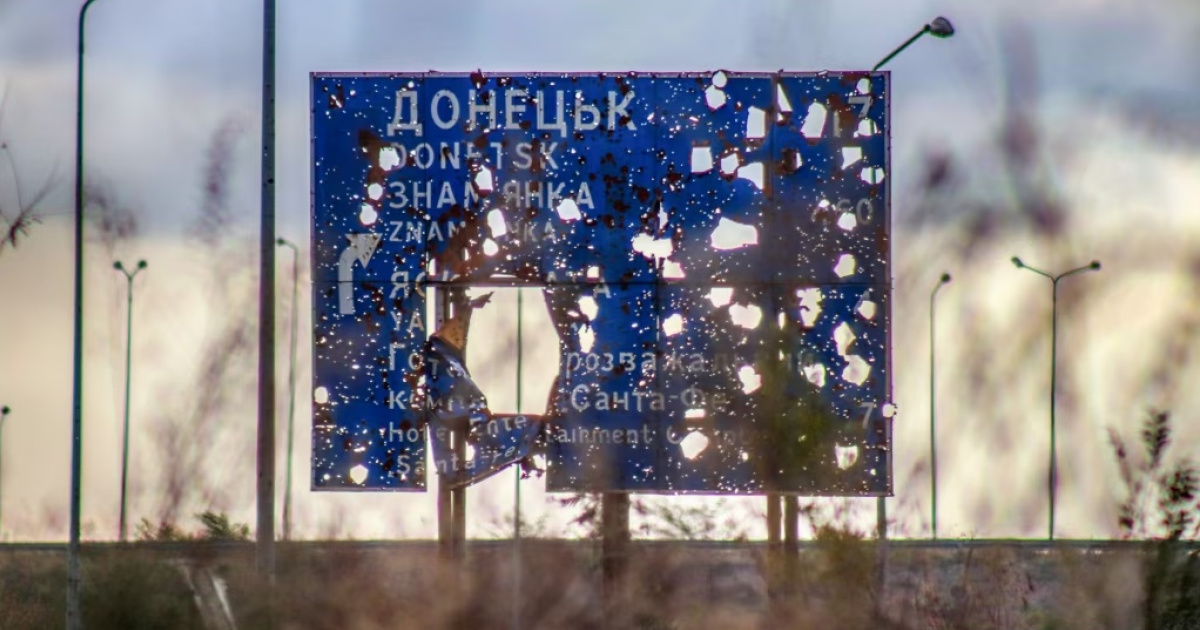
During the day, the presence of war is much more noticeable than it appeared under the streetlights. In addition to the background booms of artillery, ruined buildings stand along the roads. The logic behind the choice of attack targets is hard to understand. For example, not the state administration, but the houses near it. Or the building of the Chamber of Commerce and Industry. Or simply residential buildings…
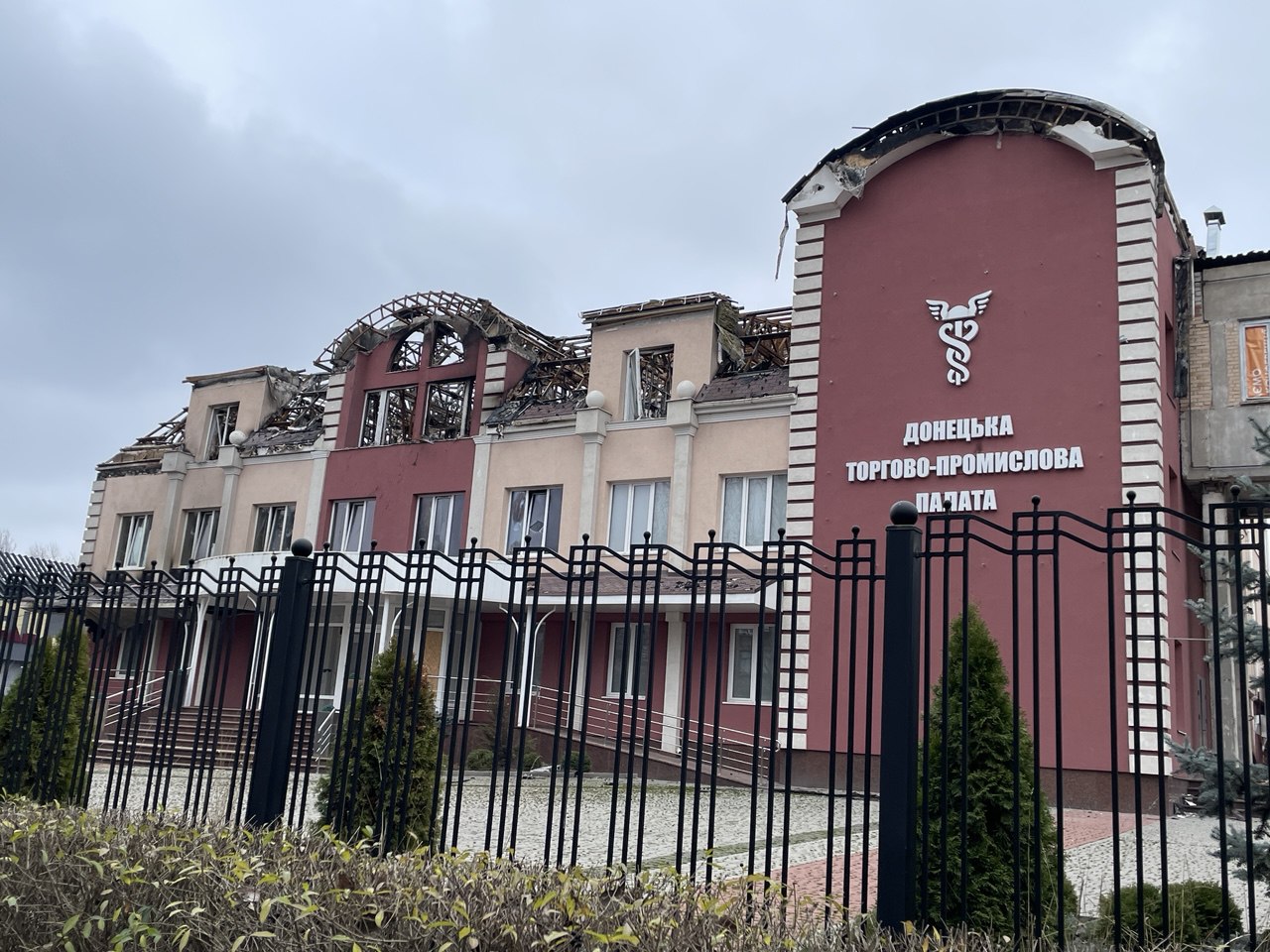
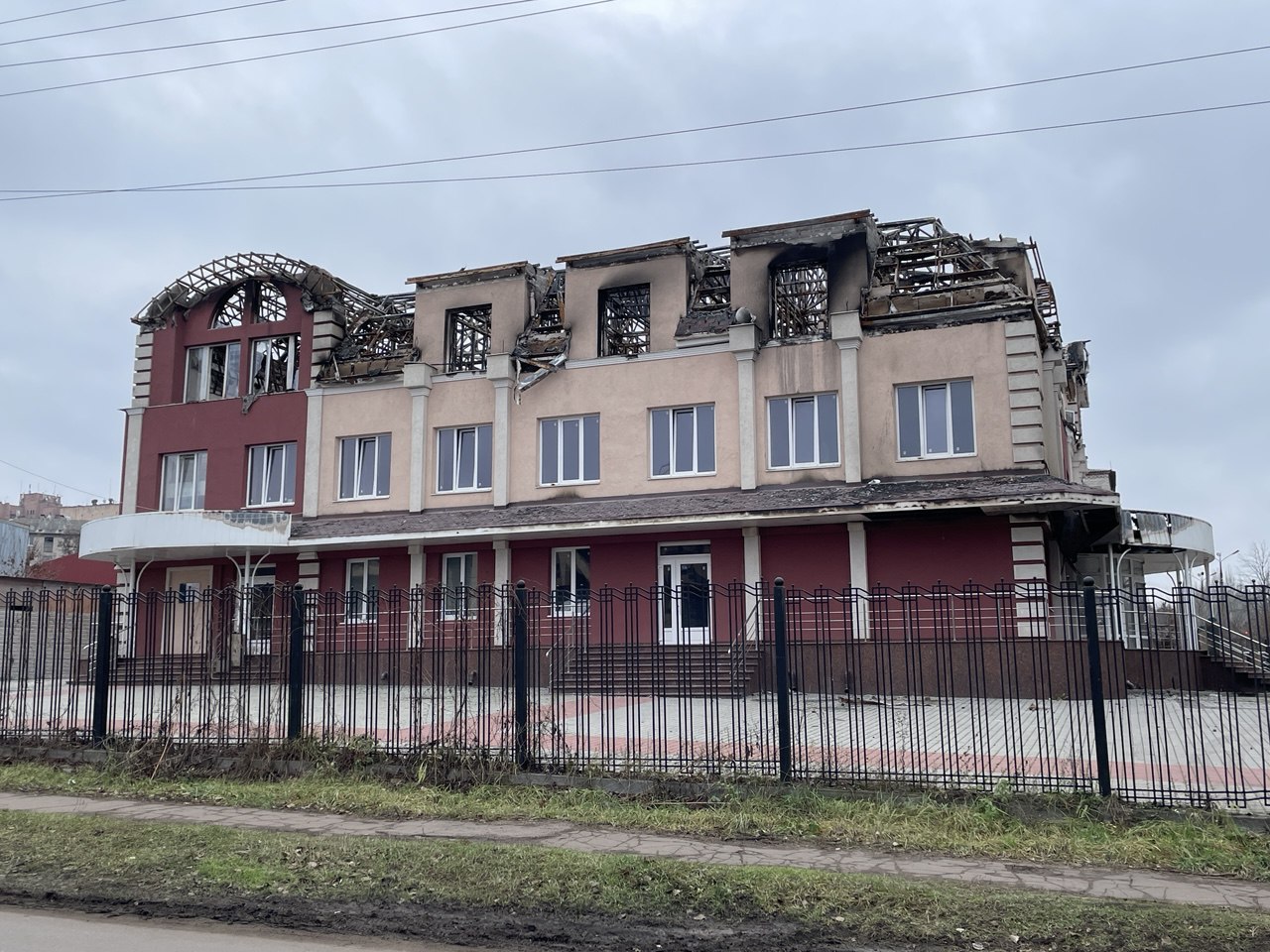
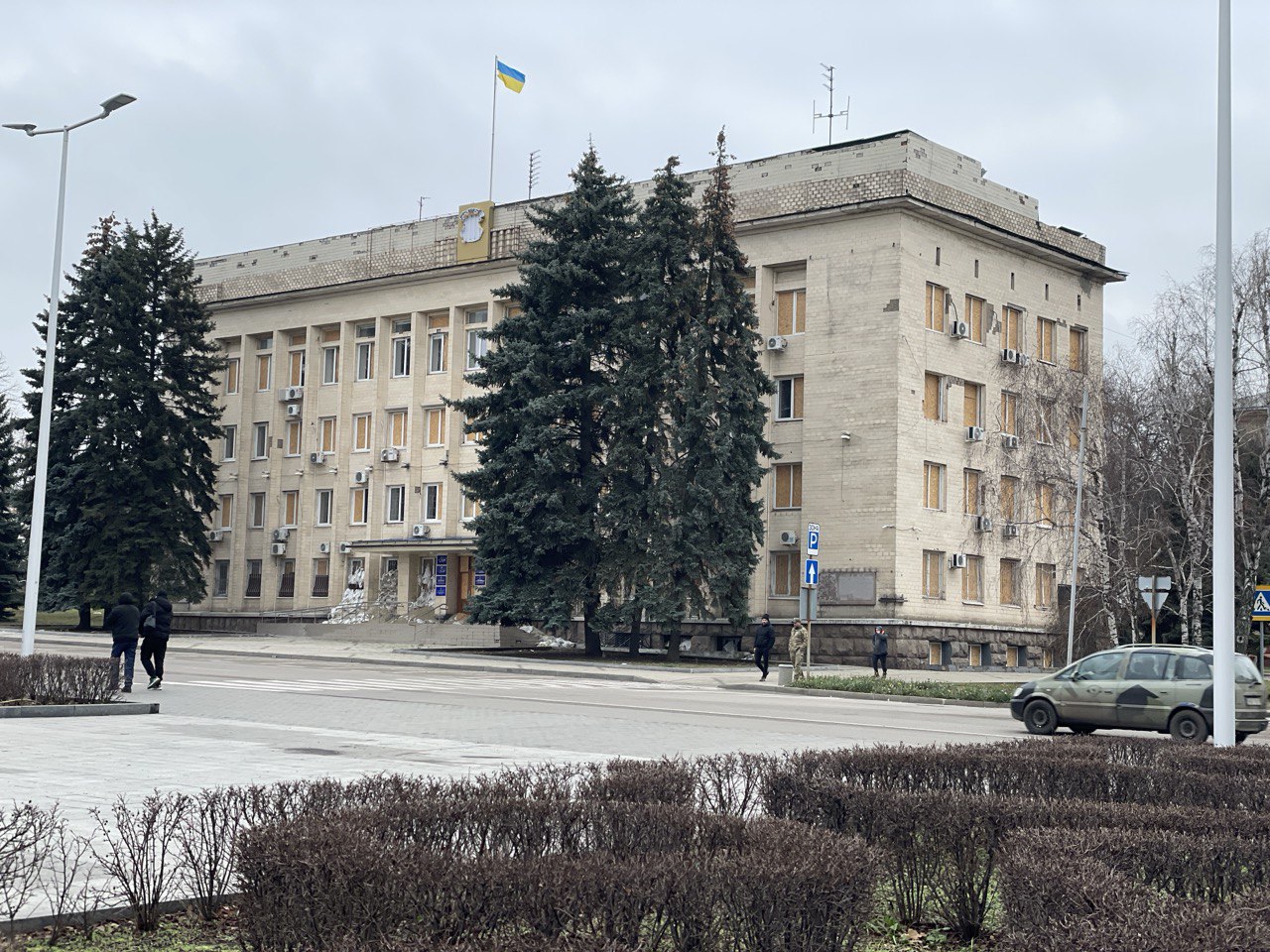
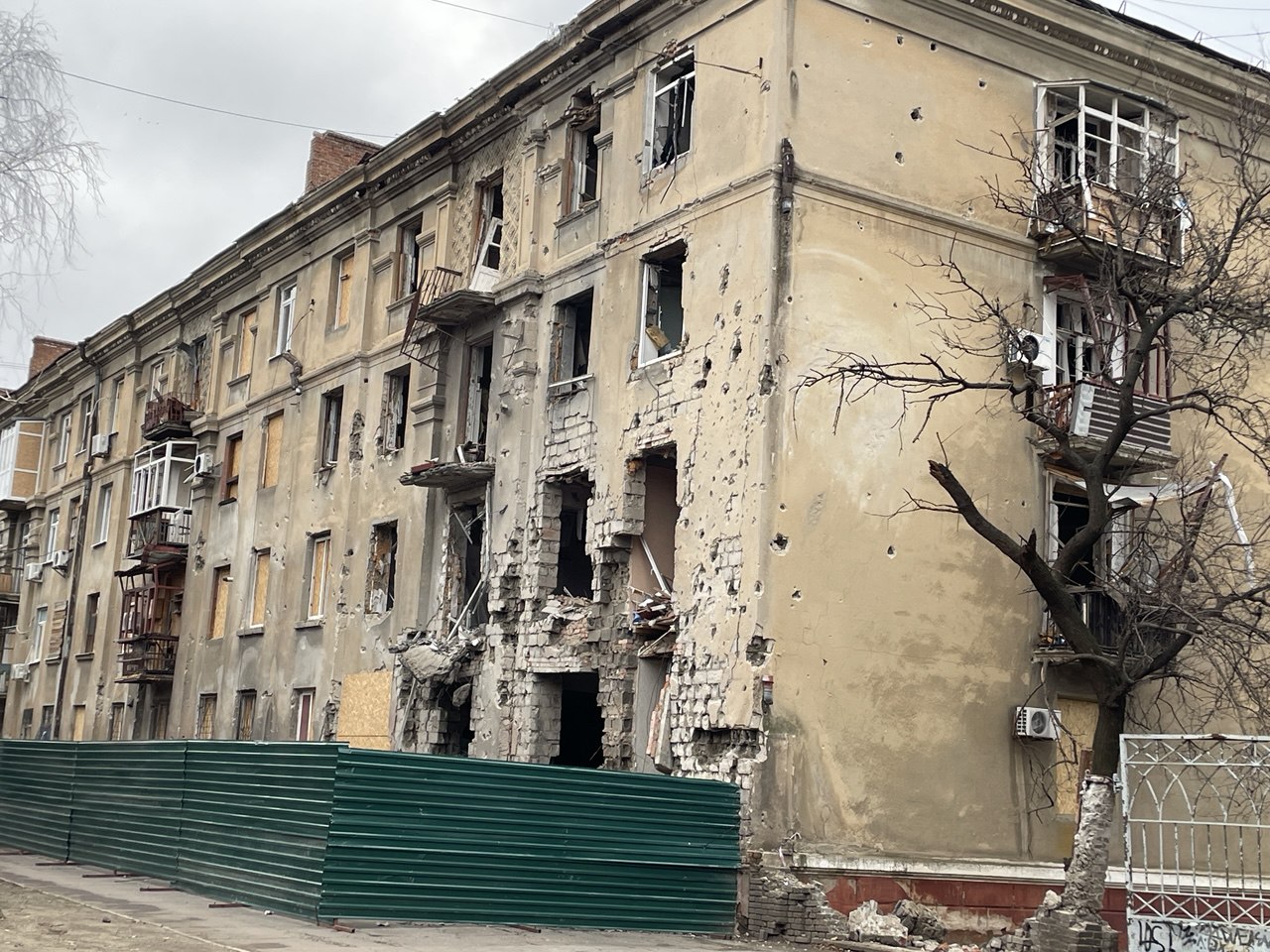
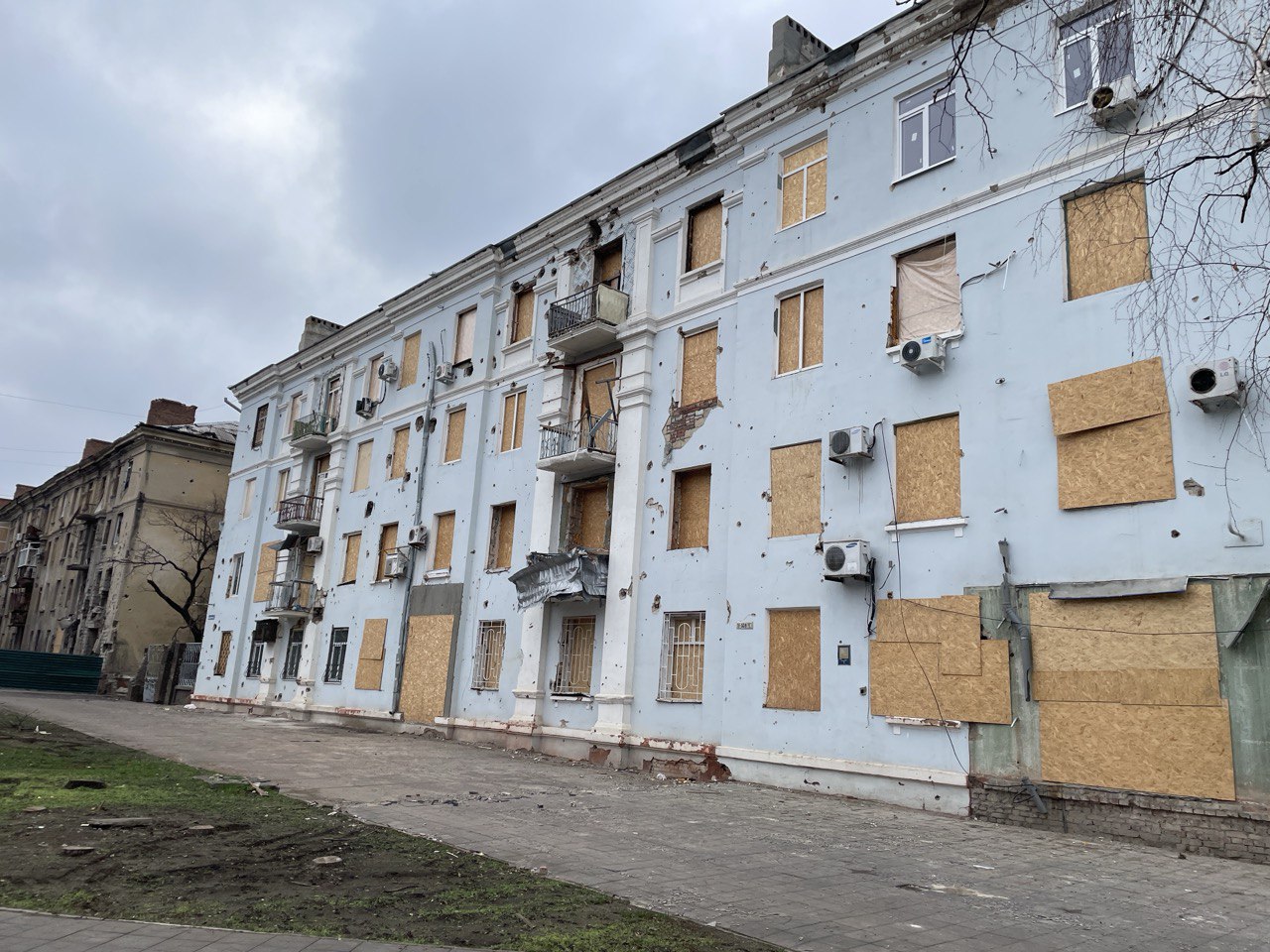
“By the nature of the hits, we believe the enemy has poor agent networks in the city. Everyone knows that neither security forces nor administrations sit in their official offices. Everyone hides in basements. But they still strike those buildings”, - says a security officer that I know who agreed to drive me around the impact sites. According to him, about 70,000 active mobile numbers are currently registered in Kramatorsk (one third of the pre-war number). Anyone can pass information to the enemy. Messengers are monitored by special services. Thanks to this, a spotter was recently detained who was directing shelling at the railway station.
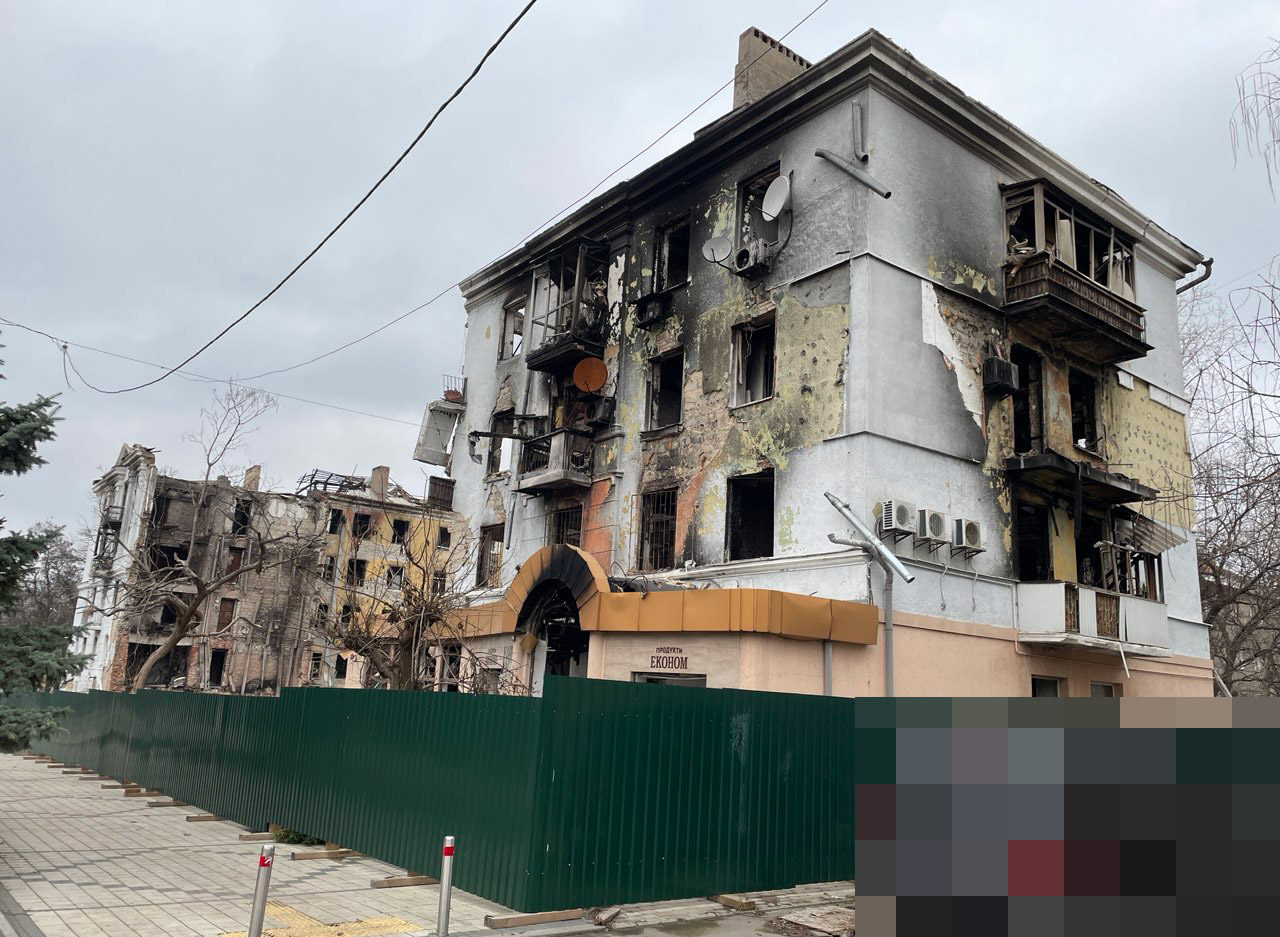
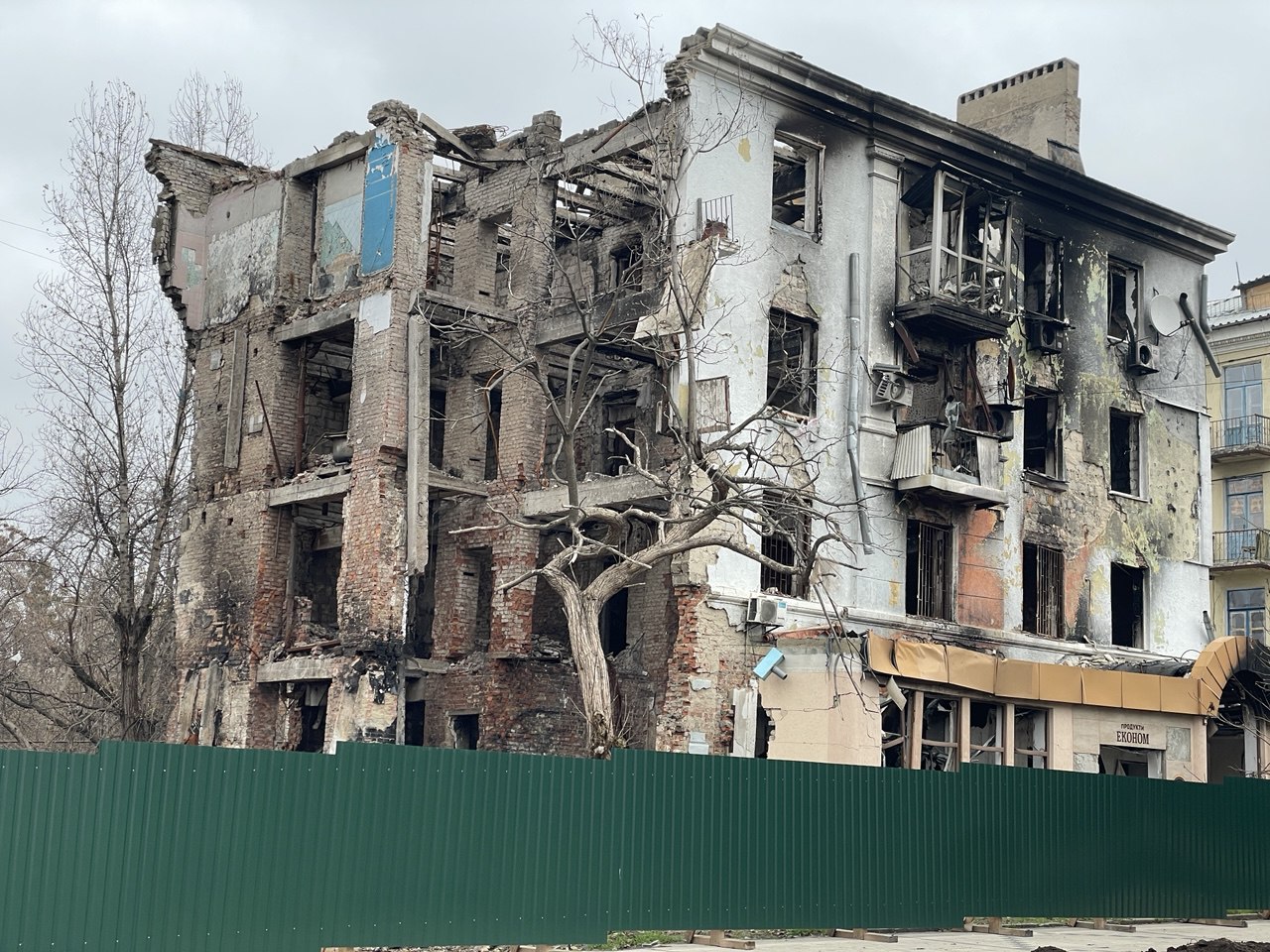
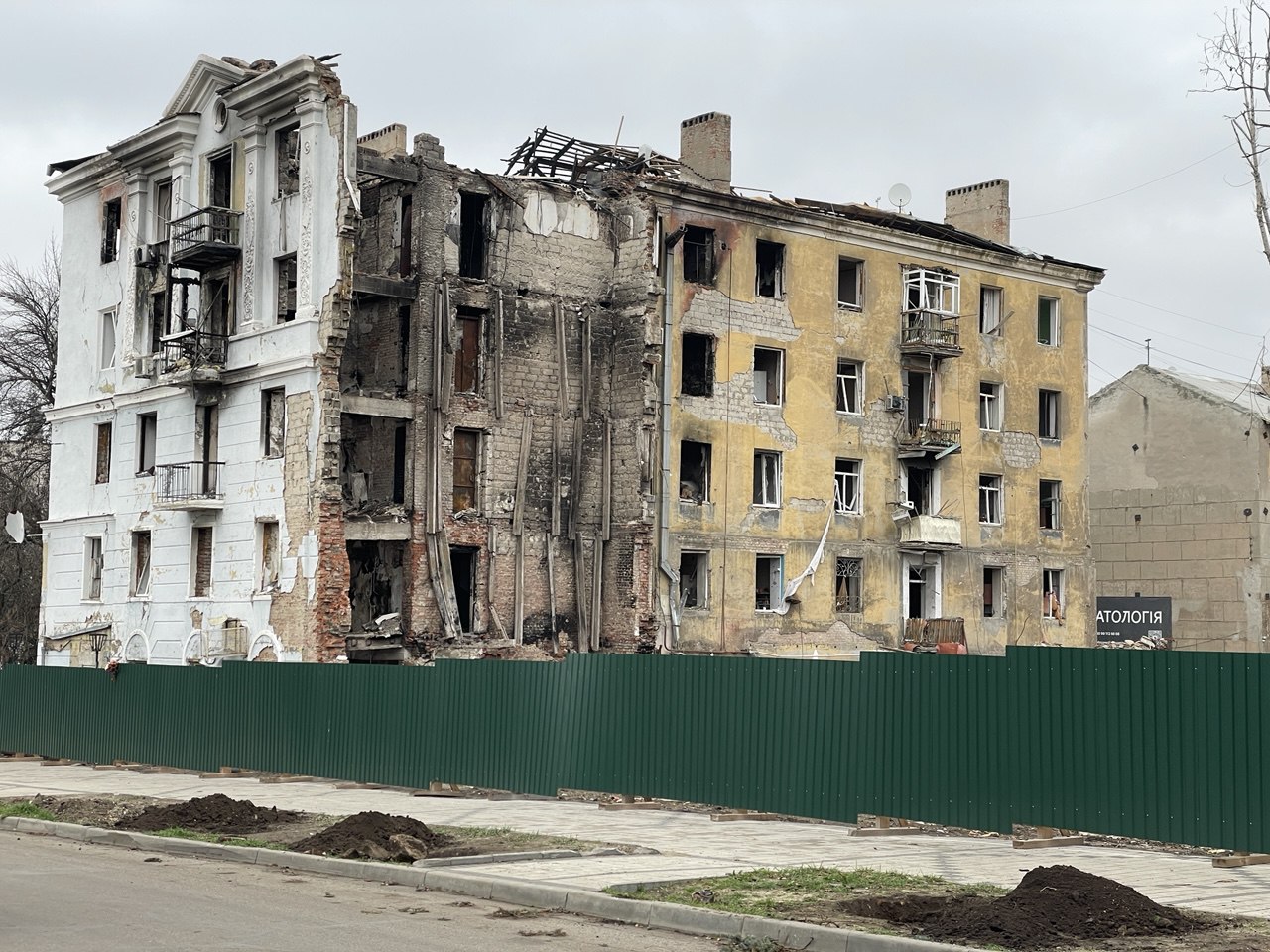
— How long ago did it hit? — I ask a man coming out of a courtyard near three destroyed four-story buildings.
— About four months ago. It exploded so hard that we thought an atomic bomb had gone off. There hasn’t been an explosion like that here before.
— So, they’re not repairing it?
— What’s the point of repairing it? These are stalin-era buildings, they have wooden floors, everything burned out.
I recalled the railway station in Lozova. Stalin-era buildings again. It gives the impression that the empire is deliberately erasing its own architectural memory.
At the same time, next to these houses, on lawns where trees destroyed by explosions once grew, pits have been dug, and municipal workers are planting fir trees.
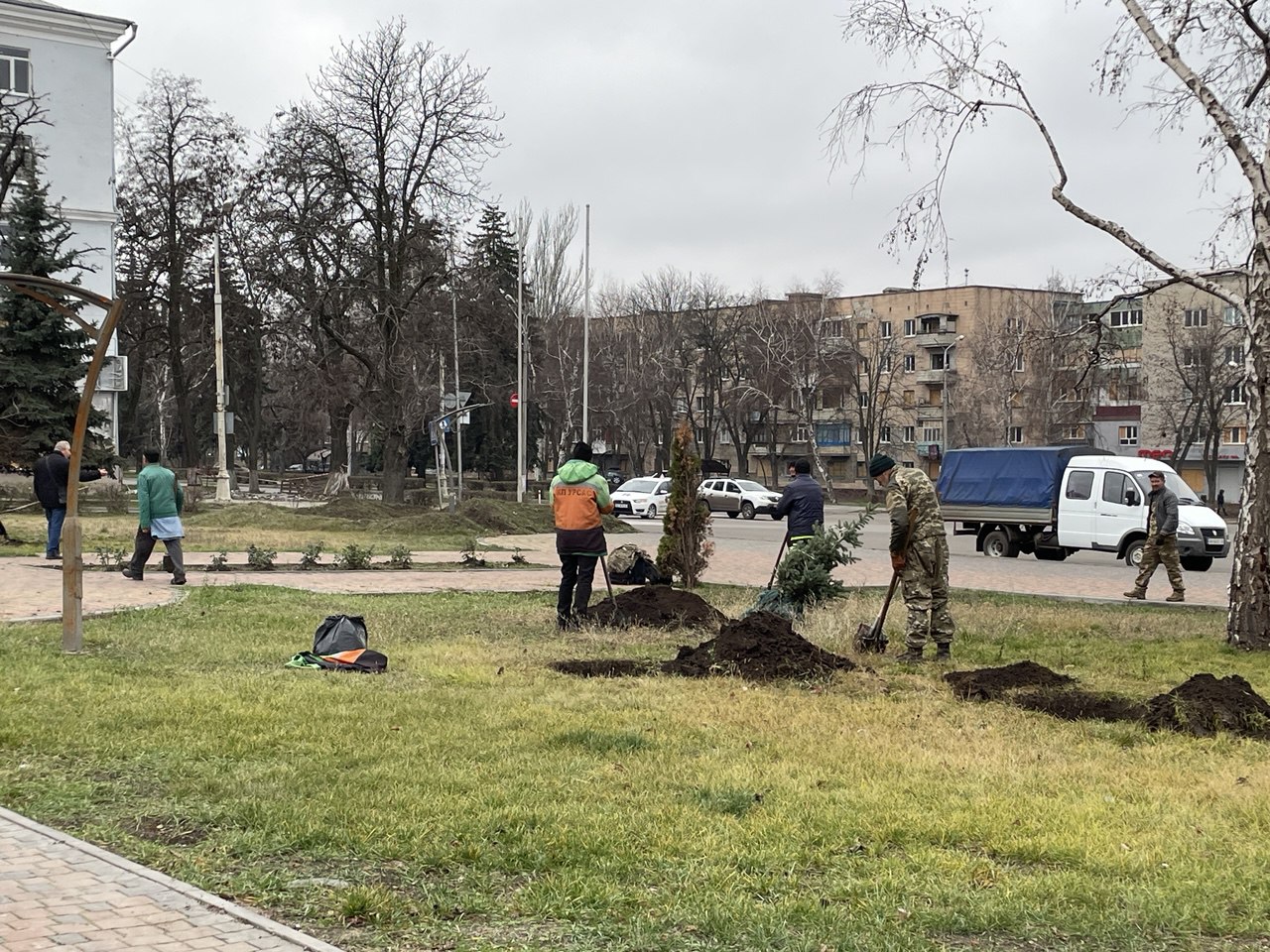
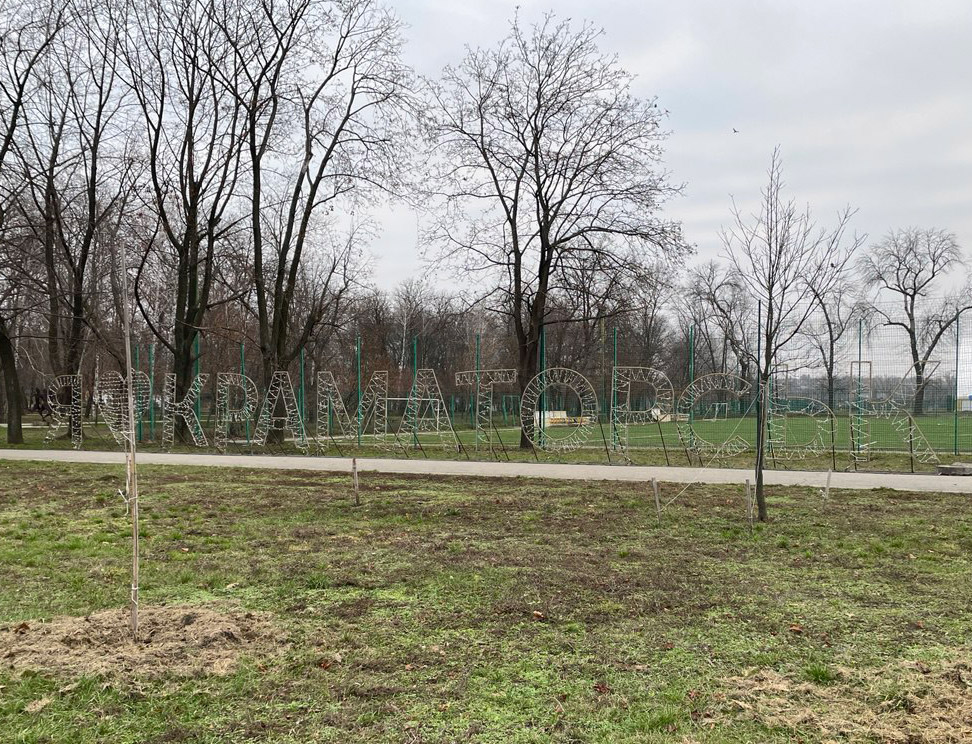
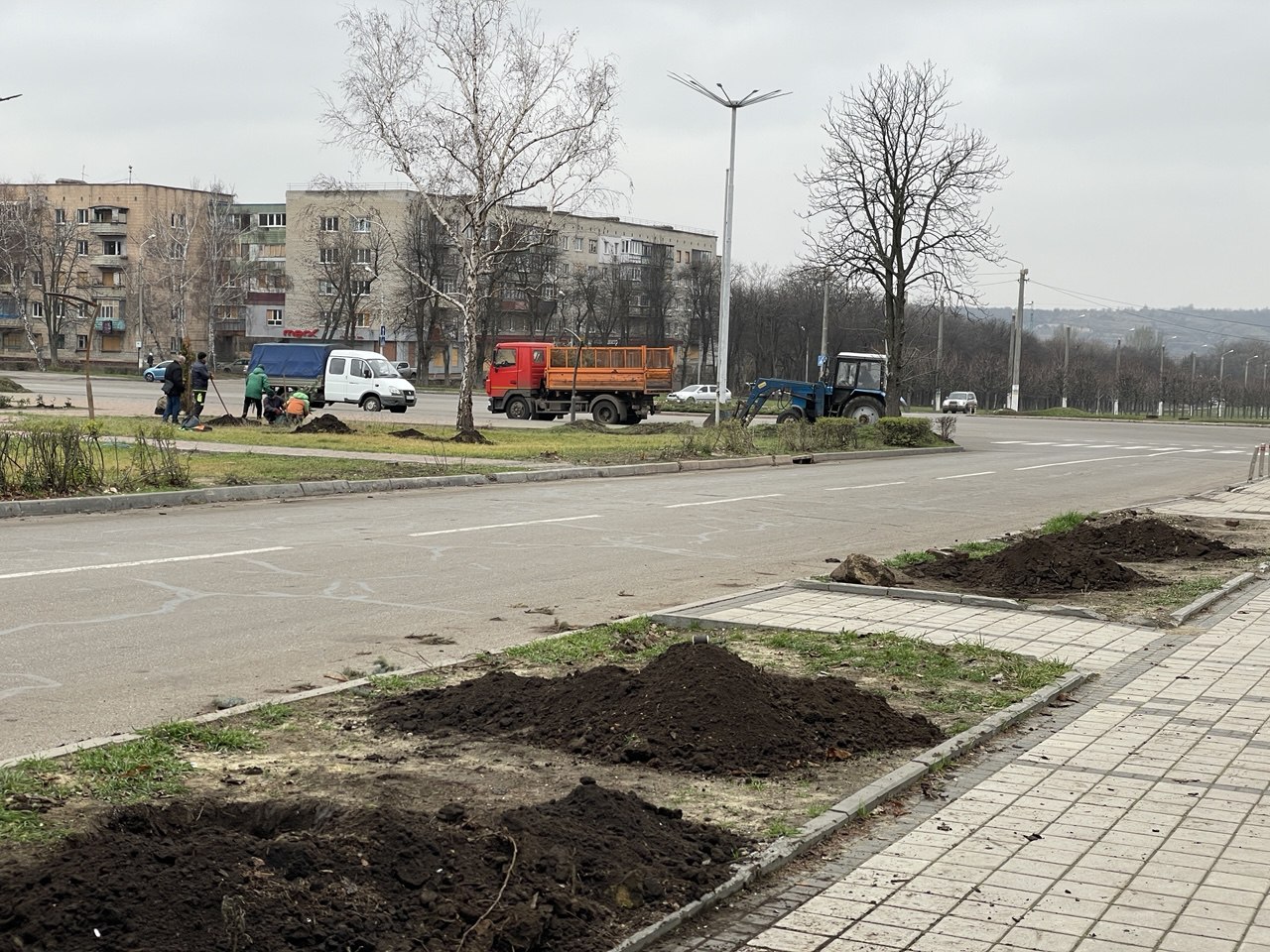 Everyone I met in Kramatorsk notes that the public utilities system “works like clockwork”. Instant response to strikes: people are immediately given particle board to board up windows; utilities are restored; everything is cleaned and cleared. The City Garden is perfectly clean, even the lawns have been mowed recently. One of the reasons for such conscientious work is exemption from mobilization.
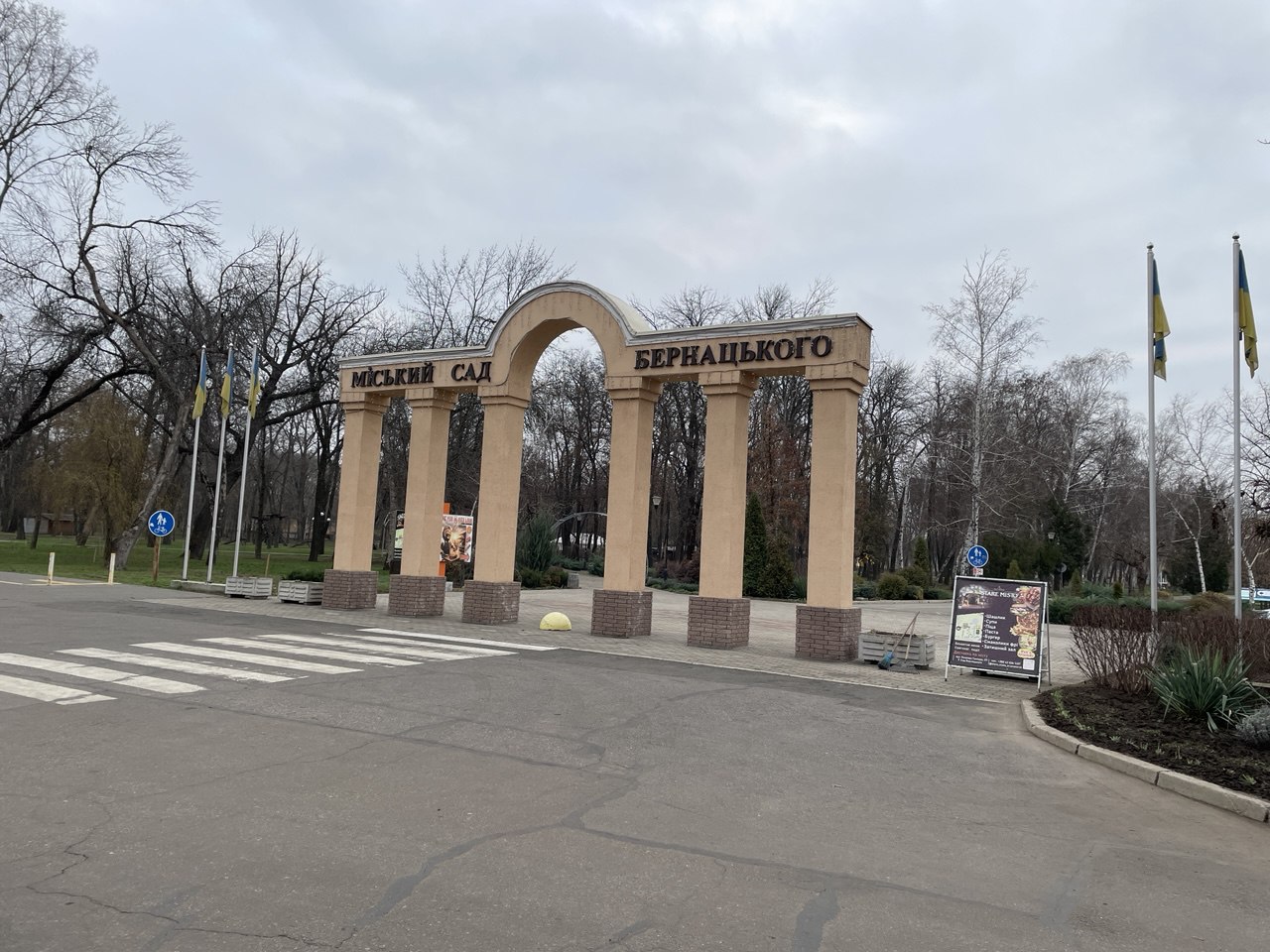
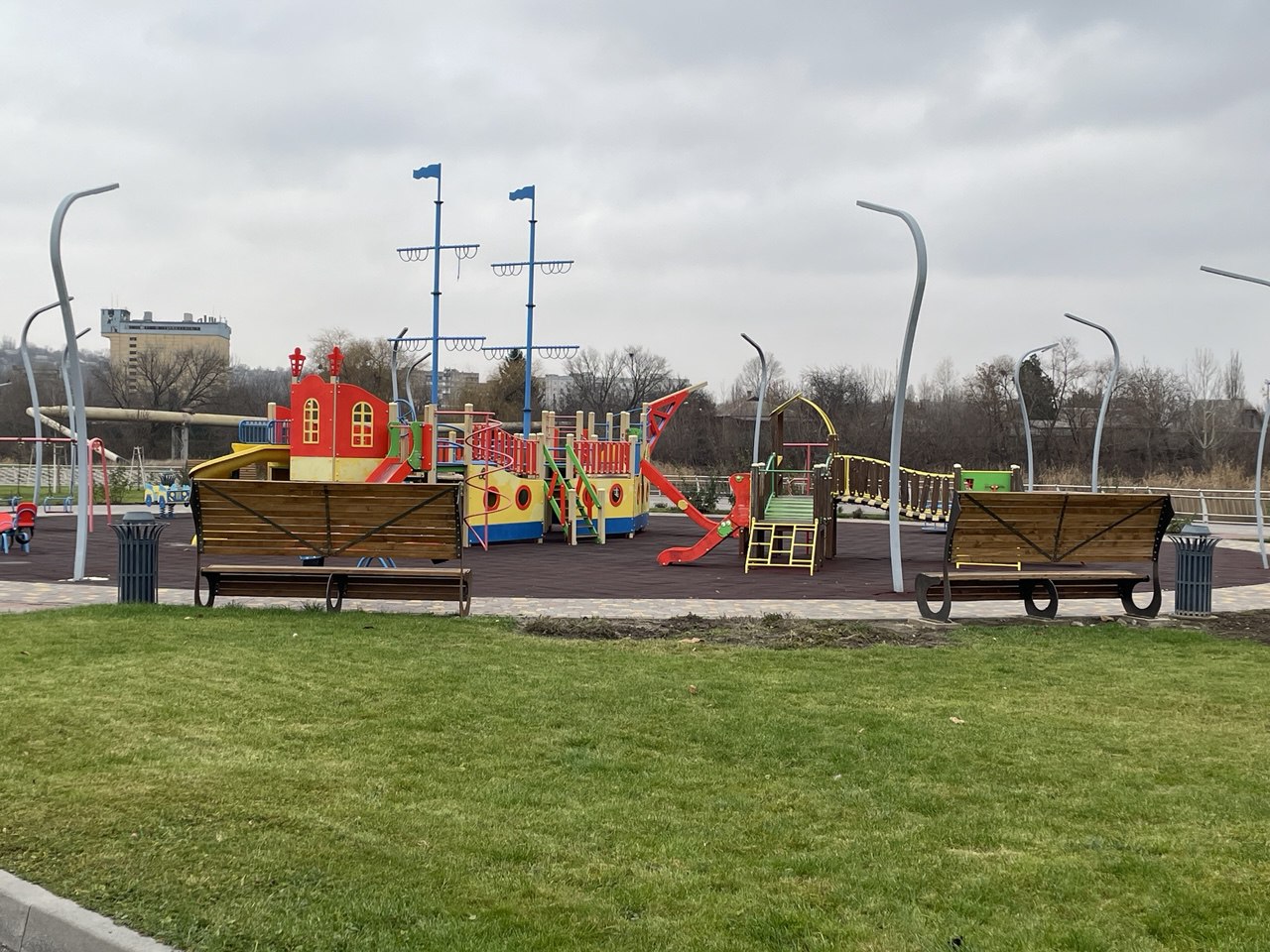
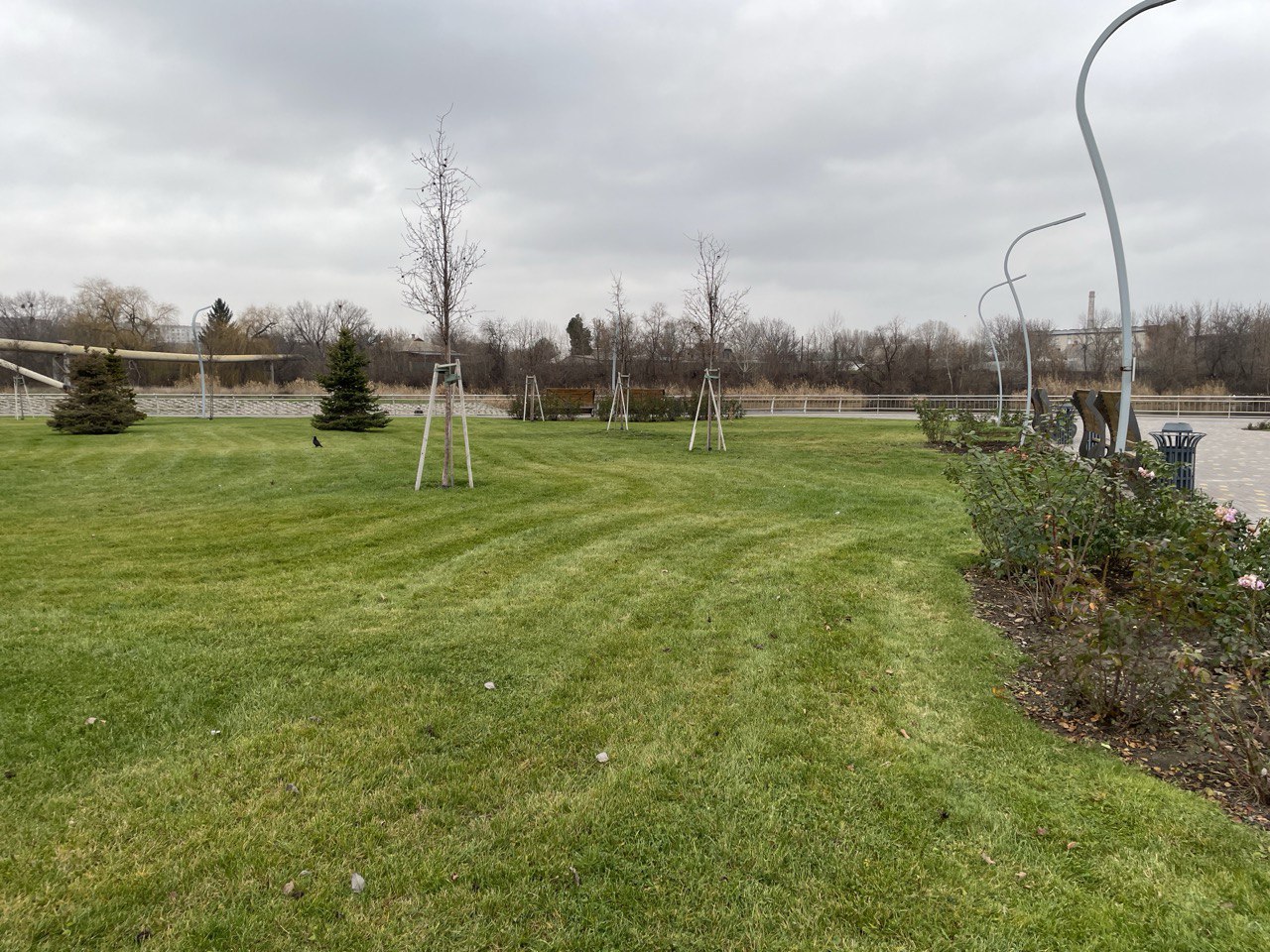
At first glance one could think “why spend money in a frontline city”? It looks simply like budget skimming under the cover of noise. However, everyone I spoke with said that this is very important psychologically, to “feel like human beings”, to feel “inner stability”.
There was recently a strike on a gas station, so now all gas stations are covered with anti-drone nets. There are few gas stations. Coffee shops, barbershops (“800 UAH just to shave your head bald and trim your beard”, - my “guide” complains), and car washes are thriving. There are long lines at the latter. Realtors as well.
— Houses are being sold for $50–60 thousand.
— Who is buying them here? — I’m surprised.
— People from Kostiantynivka. They don’t believe the russians will reach here… The military rent apartments — for 15 thousand UAH per month. At the beginning of the war, they went wild here, occupied empty houses. Now everything goes through agencies.
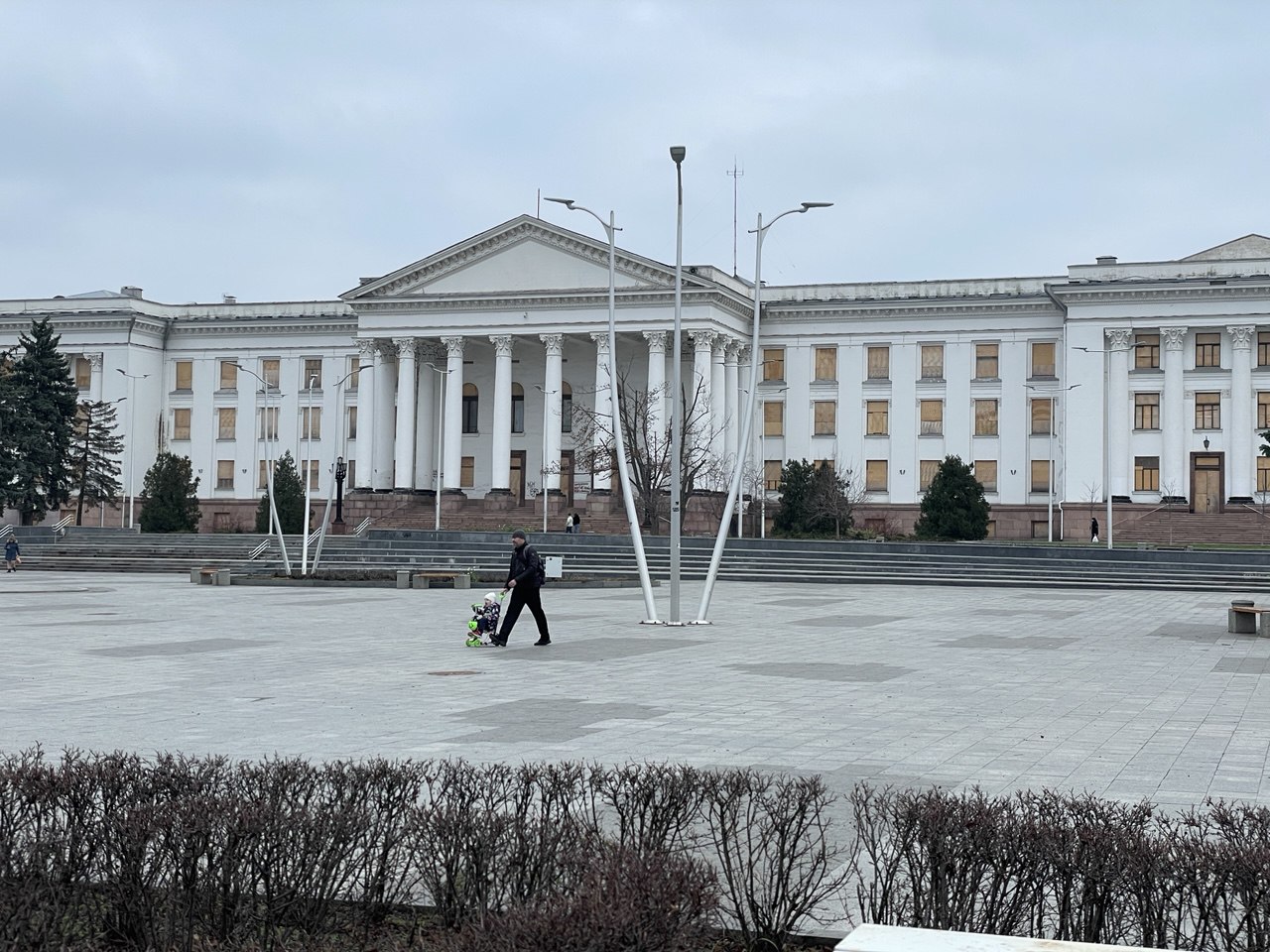
Before the war, and during it as well, I visited Kramatorsk many times, but I remembered two central streets by which I actually orient myself — Parkova and Dvortsova. I ask to drive along Dvortsova.
— There is no Dvortsova Street anymore, it was renamed.
— Who did it get in the way of? I thought it was called that simply because it leads to the city Palace of Culture.
— Yeah. Idiots.
“Okean Elzy” started playing on the car radio.
— Their frontman comes here often, — a glance at the receiver.
— With the band?
— Alone. With a guitar. Gives concerts in basements. Cultural life goes on. Although Pushkin Park was also renamed here. Probably by those who never read him.
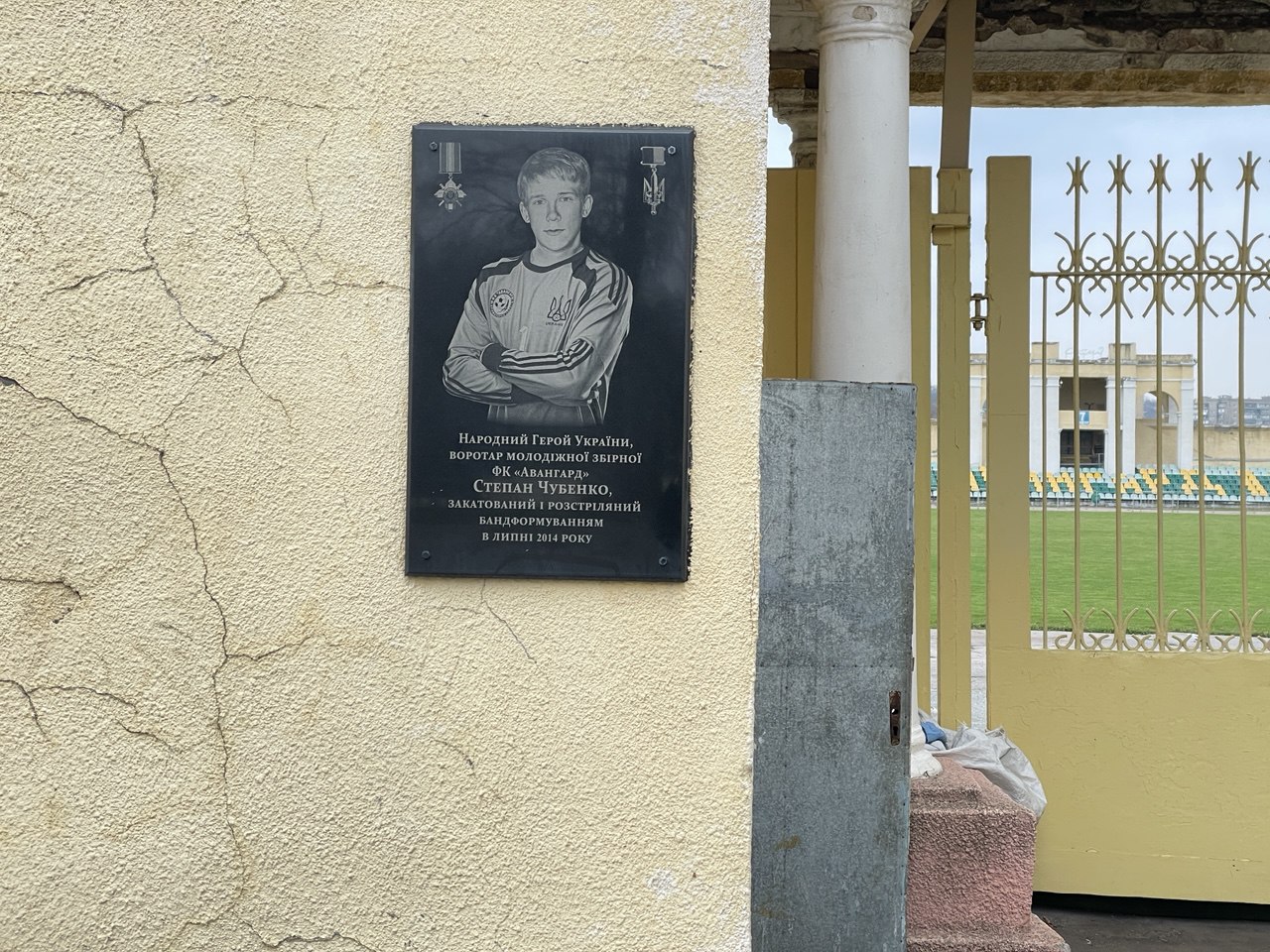
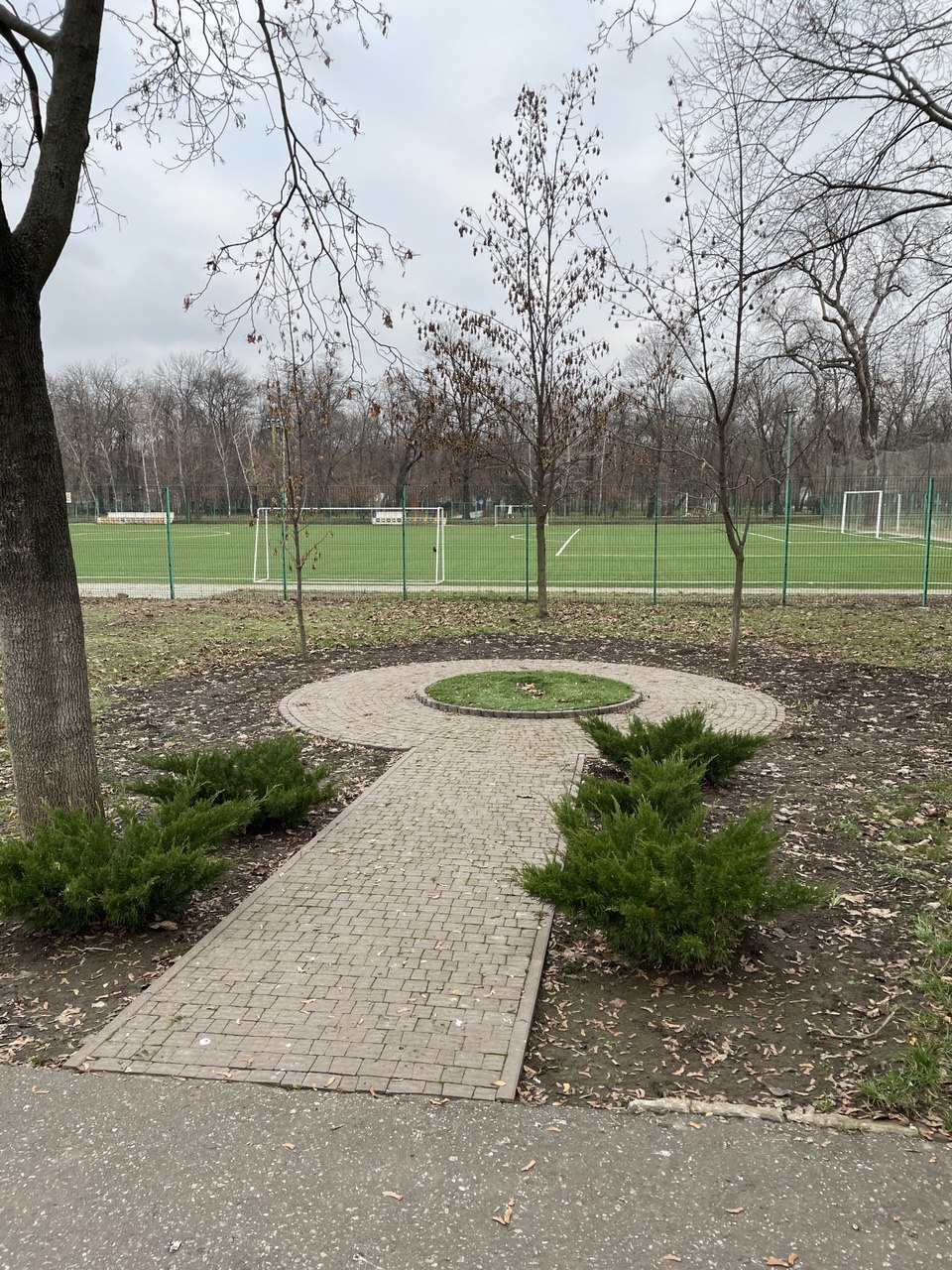
At the same time, Stepan Chubenko Street appeared in the city. Named after a 17-year-old goalkeeper of the local football club, whom separatists tortured and executed in 2014 for his patriotic stance. A memorial plaque with a youthful, pure face hangs near the stadium. A monument also stood there, but for some reason it has now been removed — only the spot where the pedestal stood remains.
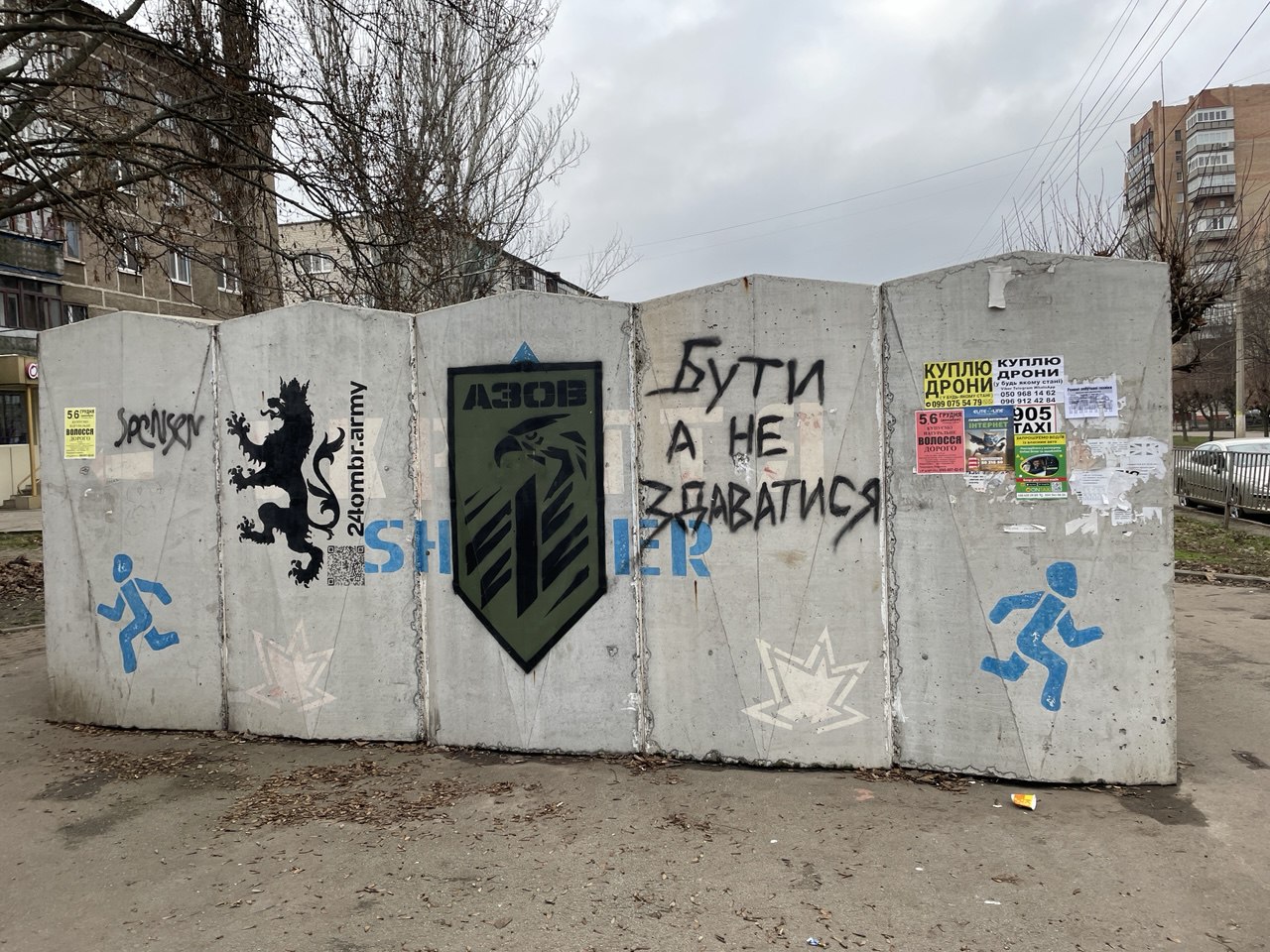
The abundance of “Azov” catches the eye. Both on billboards and in graffiti. In general, Biletsky is known and respected in the city. But the former “master of the city” — ex-MP Maksym Yefimov, who relocated his “Energomashspetsstal” to Zakarpattia — is increasingly spoken of in the past tense.
I ask about attitudes toward the local authorities, the mayor/head of the Military Civil Administration Oleksandr Honcharenko, who is considered Yefimov’s appointee.
— And what about Honcharenko?
— He’s neither seen nor heard. Somewhere in basements he holds some kind of meetings. Some say he’s actually in Zakarpattia more often than here. Look at Liakh in Sloviansk (mayor/head of the Military Civil Administration of Sloviansk) — after every shelling, he’s immediately on site. And ours… On the other hand, the city is working, everything is functioning, so there’s not really much to reproach him for.
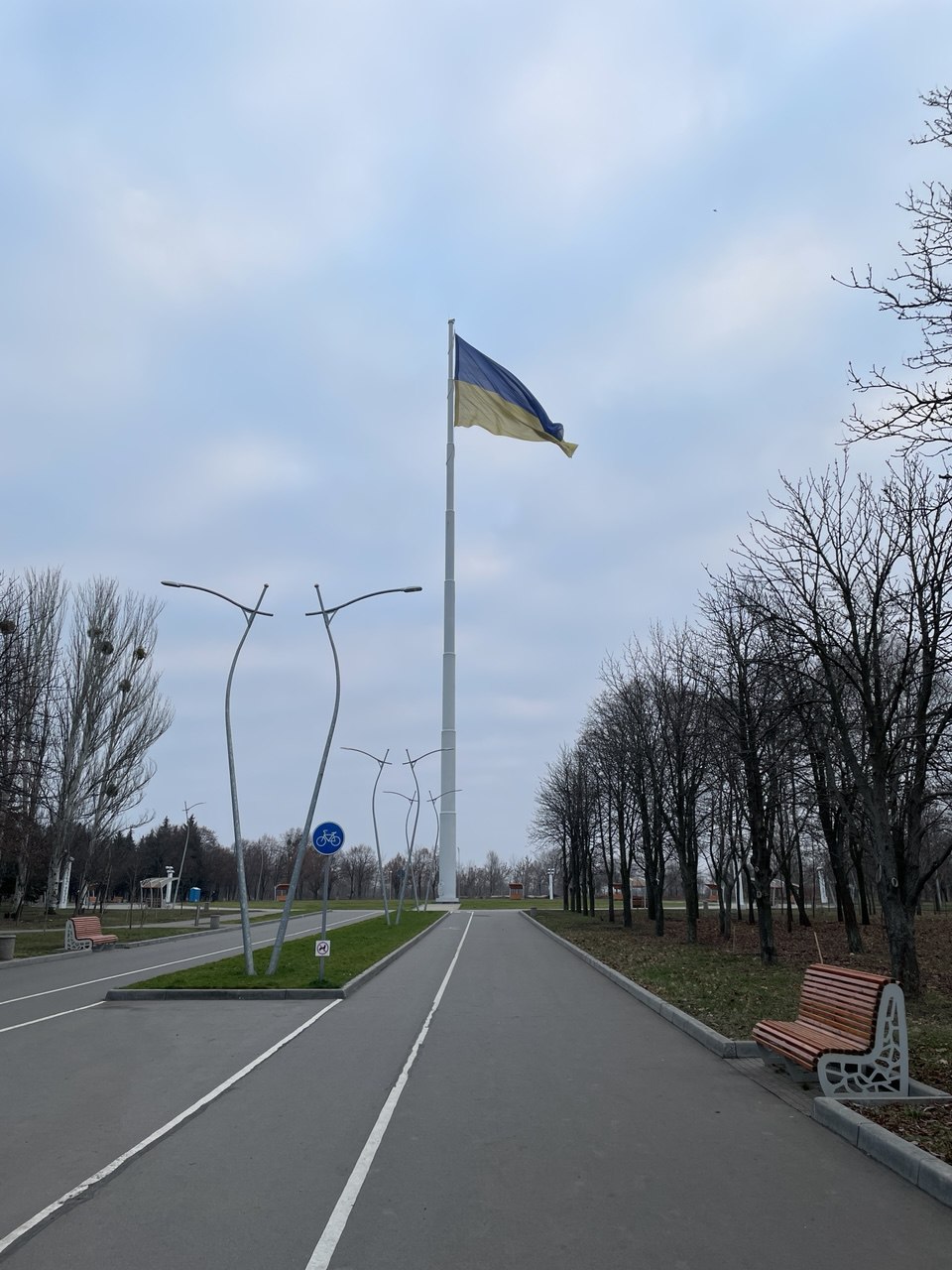
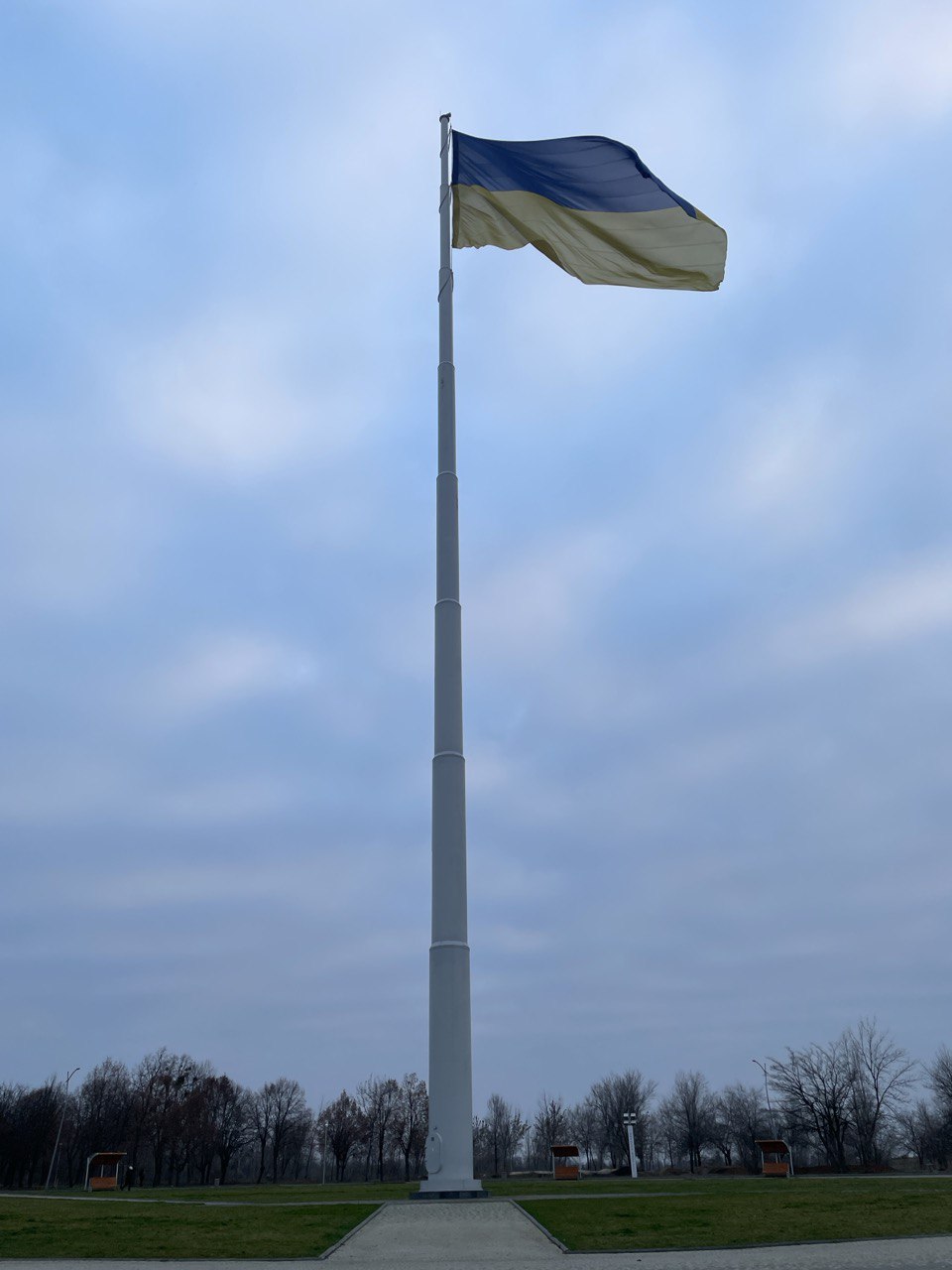
In general, when asked about, so to speak, the material side of things, literally ALL locals answered like this: “Everything is available. But prices are astronomically high”.
However, again, literally EVERYONE named one problem: “Everything is fine except alcohol”. This is probably worth dwelling on separately.
Light and shadow of the Donetsk alcohol
The author of these lines is a person who practically does not drink. But not for “ideological” reasons, rather for objective ones: no time, no one to drink with, and “what if I have to drive”… But when old friends who haven’t seen each other for more than a year get together, alcohol is not a necessity, but rather a ritual. Therefore, in Kramatorsk, having arranged a meeting with my former comrades, I went to a store in search of good whiskey.
Of course, I had heard about the “dry law” in the Donetsk oblast, but honestly, I thought it was no longer relevant. Recently, I had been in the same frontline Kharkiv and Dnipropetrovsk oblasts, but there are NO such restrictions there.
In not a single supermarket did I find even beer…
Of course, this did not prevent relieving the stress of a sleepless night after the road and celebrating the meeting with my friends. They just brought it with them…
The ban on the sale of alcohol in the Donetsk oblast was introduced on March 15, 2022, by an order of the chief of staff — first deputy commander of the Joint Forces grouping. Later, as follows from a notice on the website of the Kramatorsk District Administration dated May 19 of the same year, it was supplemented by a ban on the “import into the territory of the Donetsk oblast of alcoholic beverages and substances produced on an alcohol basis (except for medical-purpose items) for the purpose of sale and trade…”. The then governor Pavlo Kyrylenko (currently appearing in criminal proceedings of NABU and SAPO on suspicion of illicit enrichment) stated that he was keeping this issue “under special control”…
— In reality, ask any taxi driver to take you to where you can buy it, and they’ll bring it out from under the counter without any problems, — my friend explains the situation.
— Why a taxi driver, — another simplifies the scheme — just quietly ask in any shop, and they’ll bring you out a little bag. We even opened a whole network of small shops specifically for this during the war!
— And yet, the ban seems to be on import for the purpose of sale, but at checkpoints when entering the oblast they force you either to drink it or pour it out. Although it is obvious that if you are carrying a bottle of champagne and a bottle of whiskey for a birthday celebration, that is clearly not for sale.
Overall everyone in Kramatorsk whom I spoke with on this topic is convinced that the alcohol ban was introduced solely to push its trade into the shadows. The state loses taxes and control over this process. Protection is provided by “the authorities and the security forces”. The price for bringing a truckload of alcohol into the oblast — according to various sources — is “$20–30 thousand”. And that is only for the import! There is plenty of room for imagination for the volume of income from sales.
The only person who spoke less categorically against the “dry law” was that same security officer who drove me around the city on the first day. He believes it reduces the number of alcohol-related crimes, given the presence of weapons among the military. At the same time, however, he also acknowledges that buying alcohol under the counter is not a problem at all. As is the fact that in neighboring frontline oblasts there are no such restrictions, and the military there have not shot each other.
By the way, at these words, I realized why I had not noticed the “alcohol problem” during my previous visits to Donbas. Simply because back then I always came to see the military and lived with the military. And they, oddly enough, do not have such a problem. In any case, we had no time for drinking.
Be that as it may, the next day I decided to personally check how easy it is to get alcohol in Kramatorsk when it is “outlawed”. It turned out to be much easier than even in America in the 1930s, where the “dry law” gave rise to gangsters. I found it in the very first shop across from the house I stayed in…
The most interesting thing is that the next day, entering a pharmacy, I saw on display a lot of 38–42% alc/vol medicinal balms. That is, those who want to get drunk really have no problems. But if you want to drink with class — welcome to the shadows!
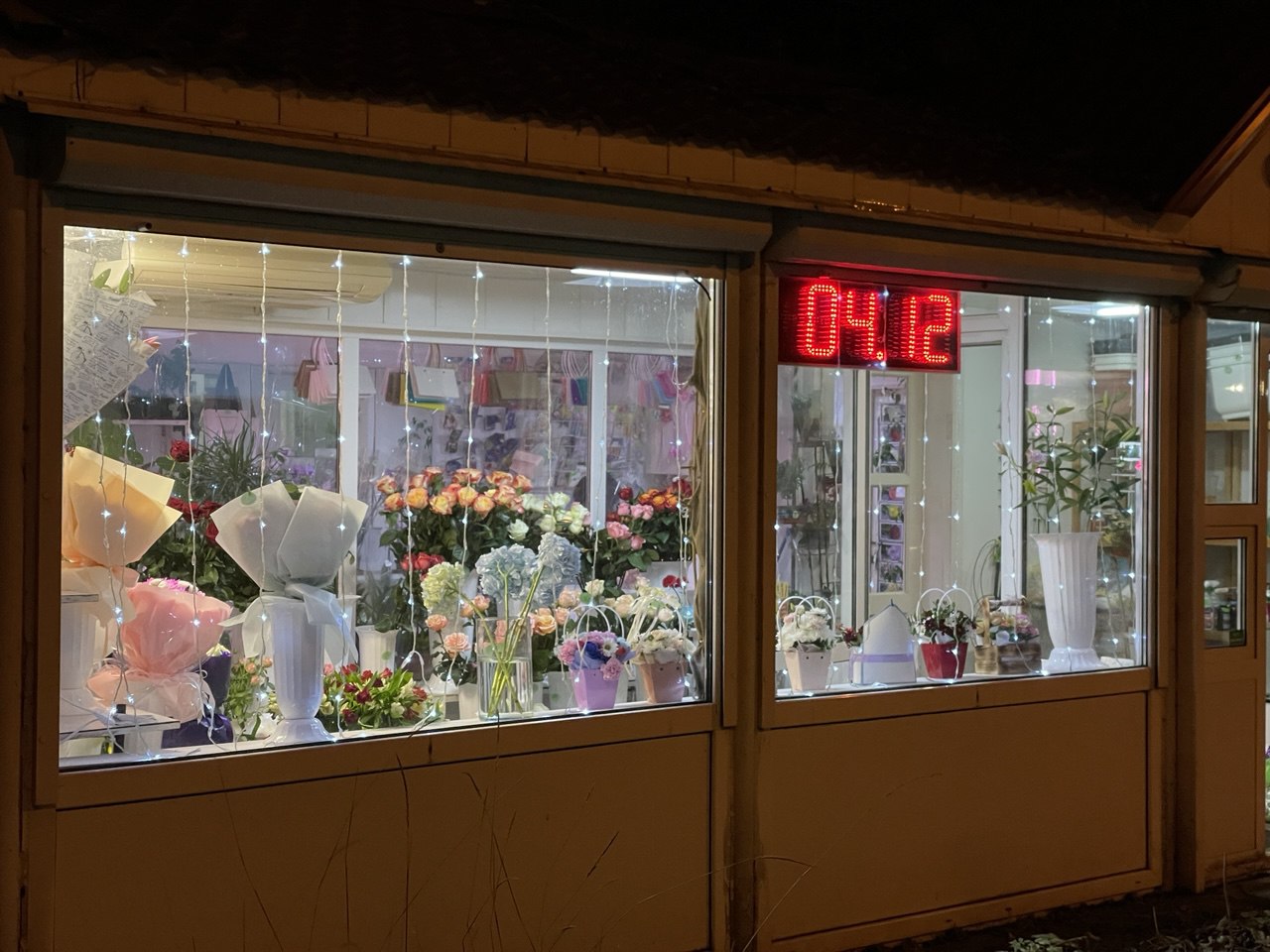
And one more nuance, unexpected for me, surfaced during this “alcohol journalistic experiment”. To buy booze under the counter you need cash. And I am used to using credit cards. So I went out onto the evening street to look for an ATM. In the darkness, a flower kiosk glowed exotically — a symbol of peaceful life. A young (about 25 years old) serviceman was walking toward me.
— Excuse me, could you tell me where there’s an ATM nearby?
— I don’t speak russian, — he replied and walked on.
In Kramatorsk, I did not expect that. I immediately felt like having a drink.
— And I didn’t ask you to speak it, unlike you I understand and respect all the languages spoken by Ukrainians, — I thought…
In general, the problem of linguistic separatism, dividing Ukrainians at the legal and everyday level, turned out to be acute even here. Although all the military assured me that it is inherent only to civilians, that it does not exist in war.
However, this is one of the topics of my next piece already. There will be fewer subjective impressions of the author in it, and more answers from local residents to pressing questions.
***
The return train takes even longer, almost 10 hours. The carriages are straight out of my memories of the 1990s. Accustomed to Intercity trains, I spend a long time looking for the flush button in the toilet. There is no soviet pedal either. Then I realize that this metal arc at the bottom, encircling the toilet, is actually the “turbo flush”! How far back the war has thrown us after all…
By Serhii Harmash, editor-in-chief of OstroV
The article was prepared with the support of the NGO “Detector Media”