

 “Putin is dragging out his response”. The negotiation track has been put on pause while awaiting the kremlin’s decision — political analyst Ihor Chalenko
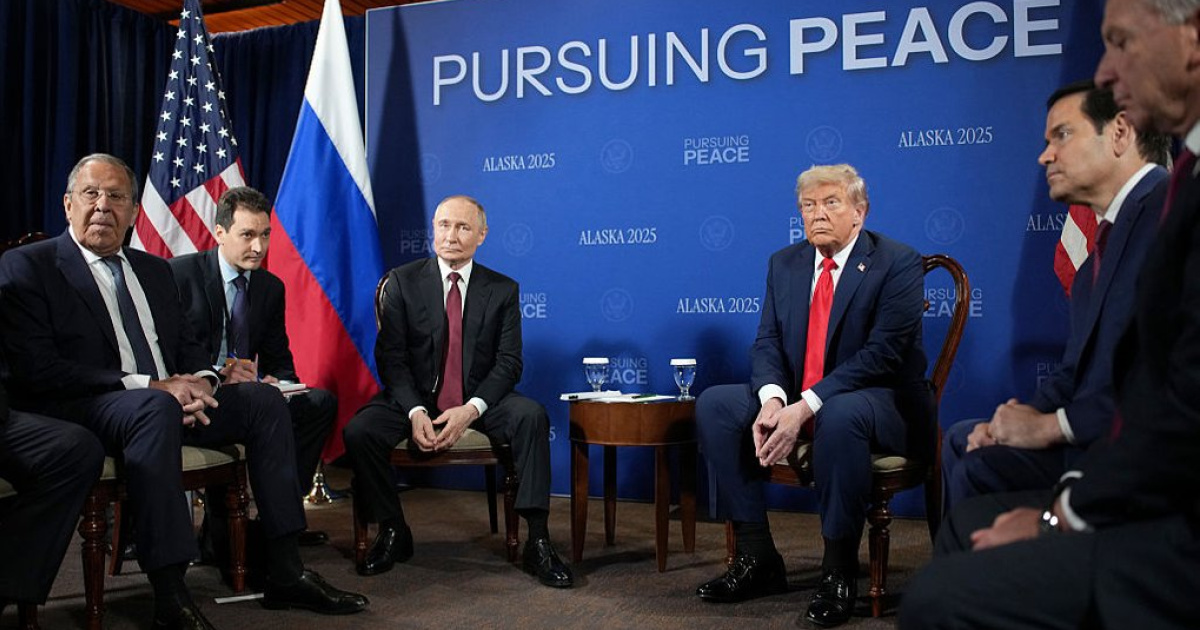
The russian-Ukrainian negotiation process is currently in a phase of pause and waiting for the kremlin’s response to an agreed package of decisions that was prepared with the participation of Western partners. Further activation of negotiations is expected in February after the completion of preparatory stages within the framework of Ukrainian-American agreements. Political analyst, head of the Center for Analysis and Strategies Ihor Chalenko said this in an interview with OstroV.
“As of now, we are at a waiting point for a response from the russian aggressor to the developed package of decisions — a draft set of decisions that was formed directly in Paris”, - Chalenko noted.
He explained that the finalization of these agreements should take place at the Davos Forum, where the presidents of Ukraine and the United States may sign either a memorandum of intent on the reconstruction of Ukraine worth $800 billion, or a framework agreement of a more stable format.
“The essence is that between the Ukrainian and American delegations, a format of solution options for two key issues was agreed — the ceasefire regime and the fate of the Donetsk oblast and the Zaporizhzhia NPP. It was precisely this proposal that was passed to vladimir putin via Dmitriev along with all the other points that had already been agreed”, - the expert emphasized.
Commenting on the massive strikes against Ukraine’s energy sector and russia’s repeated use of Oreshnik missiles, Chalenko noted that the kremlin is trying to prevent these actions from being interpreted as a breakdown of negotiations.
“There are people who interpret the massive strikes on Ukraine’s energy sector and the repeated use of Oreshnik as a refusal to negotiate. But the russians themselves hurried to present these actions as a response to an alleged attack on putin’s residence. That is, the kremlin itself does not want the world to interpret this as a refusal of the negotiation process”, - he said.
The political analyst stressed that the current phase is a pause before a new stage of negotiations, while Ukraine is simultaneously carrying out internal preparations.
“Therefore, the current phase is a pause. Further activation will obviously occur in February. Right now, Ukraine is conducting internal preparatory work — working groups on presidential elections and a referendum are operating. Deadlines there are set by the end of January, and already in February a new round of complex negotiations is expected”, - Chalenko noted.
At the same time, according to him, vladimir putin is trying to strengthen his positions before giving an answer to the peace plan, including through intensifying hostilities on the front line.
He also pointed out that comprehensive international pressure is being exerted on the russian president, which should force him to make a decision to end the active phase of the war.
“Essentially, putin is now being led toward making a decision on the need to end the active phase of the war. This concerns not only the direct negotiation process and the Dmitriev–Witkoff line, but the overall contour of pressure around him”, - the political analyst said.
According to Chalenko, this pressure includes both geopolitical and economic factors — in particular, the situation with the russian shadow fleet, the oil market, and sanctions policy.
“Venezuela, the detention of tankers from the russian shadow fleet, the situation in Iran and on the oil market, and pricing policy. All these factors should frighten putin and push him toward deciding to negotiate himself, rather than remaining in an absolutist position”, - he emphasized.