


1. On November 23, Western media outlets, citing intelligence services, reported that moscow intends to put a satellite carrying a nuclear warhead into orbit in the coming weeks. Allegedly, the relevant warnings have been officially sent to governments. Reports indicate that once placed in orbit, the satellite will become operationally capable within a short period of time. The media note that once such a satellite reaches orbit, there will be virtually no effective countermeasures, meaning that the use of this weapon could not be prevented. U.S. Space Command Chief General Stephen Whiting previously stated that a nuclear explosion in space would "probably cause about a third of all satellites in low Earth orbit to fail immediately, within the first hours or days. And then, over the following months, the remaining satellites would gradually fail". Another problem is the extremely powerful electromagnetic pulse generated by a nuclear explosion in space, which could potentially cause widespread failures of technical systems on Earth. It should also be noted that the 1967 Outer Space Treaty, signed by moscow as well, explicitly prohibits placing nuclear weapons in orbit.
This information may herald a new era for humanity in space. It explains not only the future military risks for the West and Ukraine, but also Musk's current favorable attitude toward putin and russia. The presence of a kremlin nuclear warhead in space does not mean it will be used, but it gives moscow a tool to influence other space players, the largest of which is Musk, in order to shape their actions on Earth. Essentially, russia's nuclear bomb in space will become a weapon of deterrence against the kremlin's adversaries on Earth. Both Kyiv and Western capitals, and even China, will have to take this factor into account...
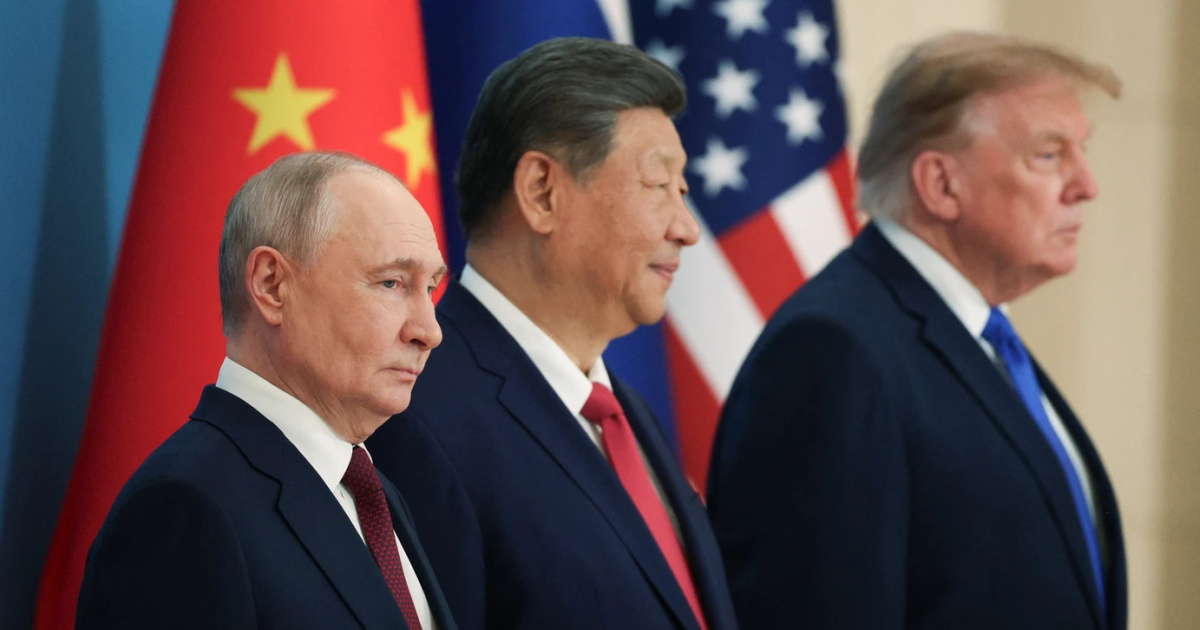
2. Trump's special envoy Kushner wrote on X, responding to Volodymyr Zelensky, that the kremlin's willingness to discuss security guarantees for Ukraine was "a big step forward" and that he and Steve Witkoff were working to make guarantees modeled on Article 5 concrete and backed by deterrence mechanisms. This came after russian Deputy Foreign Minister Sergei Ryabkov called the search for a "formula for quasi-NATO membership for Kyiv" an unacceptable option for moscow on November 20. On November 22, Trump once again called putin his "friend".
The contradictions between the parties' positions are obvious. This means that either Kushner is presenting wishful thinking as reality, or the guarantees in question have been stripped of substance and reduced to a non-binding declaration. But even if moscow's agreement to discuss security guarantees for Ukraine is genuine, that does not mean the discussions will not drag on for years and ultimately lead nowhere. Moscow spent eight years discussing the Minsk agreements; moreover, under those agreements, it even recognized Kyiv's jurisdiction over Donbas. And what came of it?
3. On the evening of November 22, Ukrenergo acknowledged that the main power transmission networks in the Odesa oblast had been damaged so severely that delivering the required amount of electricity was "physically impossible".
Ukrenergo's admission that it is physically impossible to deliver the necessary amount of electricity to Odesa signals a genuine risk that a city of nearly one million people could remain without power for an extended period during the winter cold. In other words, the issue is not the volume of electricity generation or temporary outages, but the lack of any physical capacity to deliver electricity to consumers. Russia is applying the same tactics in Dnipro and Kharkiv to achieve the same result. For the kremlin, this is a direct instrument of negotiating pressure: "Either you leave Donbas, or we freeze your cities".
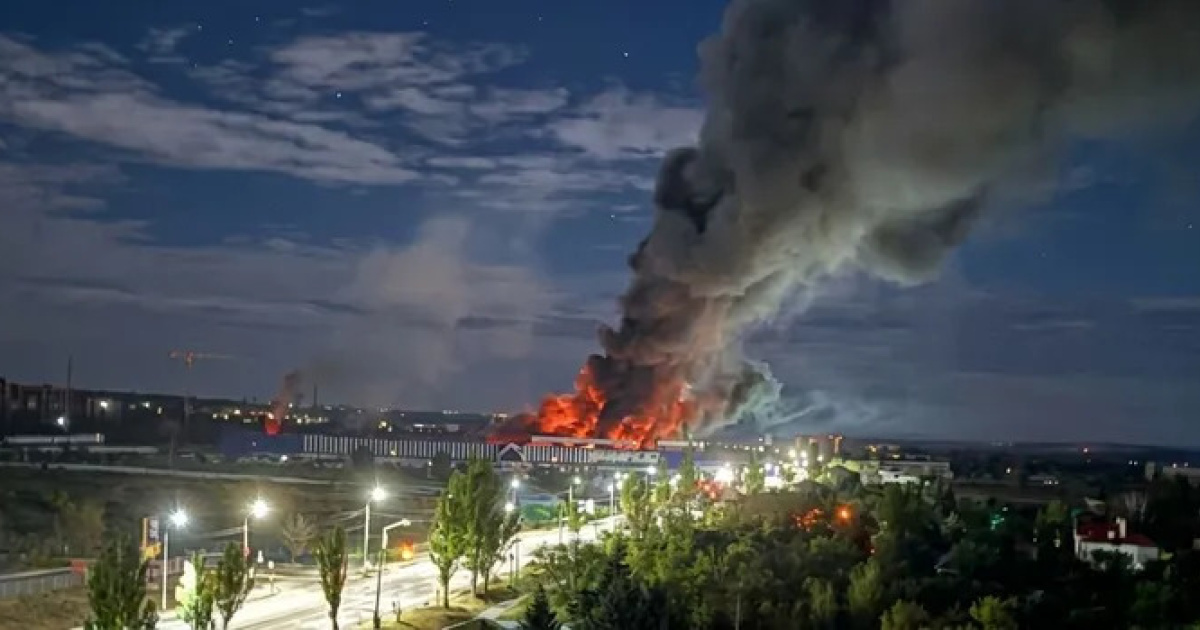
4. During the night of November 23, drones attacked the Novoshakhtinsk Oil Products Plant in the Rostov oblast. Monitoring channels reported numerous explosions and a large-scale fire. According to the General Staff of the Armed Forces of Ukraine, the facility is one of the key suppliers of diesel fuel and aviation kerosene to the occupation forces in the south. It is located approximately 200 kilometers from territory controlled by Ukraine.
The plant meets the southern grouping's demand for diesel fuel, so its shutdown will result not only in economic losses for russia but also in disruptions to the logistics of supplying its troops in Ukraine.
5. On November 22, the russian missile corvette Mercury exploded and caught fire at a naval base in Benghazi, Libya. Two Libyan military officials told the Associated Press that the ship had been attacked by Ukrainian naval drones launched from a base operated by Ukrainian forces in western Libya. The eastern Libyan government described the strike as a violation of sovereignty and stressed that Libya "is not a party to the russian-Ukrainian war". Kyiv has not claimed responsibility.
If the Libyan military officials' account is accurate, Kyiv has struck a surface combat vessel of the russian federation in the Mediterranean Sea for the first time, and from the territory of a third country. This deals a blow to the logistics network moscow had been building after losing its positions in Syria. For Ukraine, this is a bid for influence in regions where Kyiv previously had no foothold. It also demonstrates that, from now on, particularly following the attack on a russian vessel in the Gulf of Finland on November 21, the russian navy can no longer feel safe anywhere in the world. Moscow's attempts to cut Ukraine off from the sea are prompting an appropriate asymmetric response from Kyiv.