


"According to sources cited by The Economist, U.S. negotiators have proposed changing Ukraine's administrative boundaries so that russia could claim full control over the Donetsk and Luhansk oblasts. At the same time, Ukraine would retain control over the cities it currently holds, meaning Sloviansk and Kramatorsk would remain under Kyiv's control", - DS News reports.
This is one of the ideas Washington is using to try to persuade the kremlin to agree to a peace deal. Other proposals include restoring russia's access to the European energy market. However, Ukraine and European countries oppose this.
Security guarantees remain the most difficult issue. According to U.S. negotiators, russian President vladimir putin could theoretically agree to guarantees similar to Articles 4 or 5 of NATO. These would involve consultations in the event of a threat to Ukraine or a commitment to defend it in the event of another attack.
However, Kyiv doubts that Trump's administration would actually honor such guarantees. Russia has also shown no willingness to agree to the deployment of multinational security forces in Ukraine and continues to demand its neutrality and a reduction in the size of its army.
Ukrainian officials do not believe putin is ready to sign a comprehensive peace agreement before the end of the winter military campaign.
"Perhaps this is their Plan B while they are carrying out Plan A", - one senior Ukrainian official noted.
Instead, more realistic outcomes of the negotiations could include new prisoner exchanges and localized ceasefires in certain sections of the front line, particularly in the Kherson and Sumy oblasts.
Kyiv and its European partners are also concerned about Washington's desire to discuss the broader architecture of European security at the same time. In their view, this could give the kremlin additional opportunities to delay ceasefire agreements.
Financial issues also remain a major obstacle. Ukraine insists that after the war ends, it will need substantial military and economic support for at least ten years. The funds are necessary to rebuild the country, support veterans, and maintain a combat-ready army of at least 800,000 troops.
The U.S. side considers such expenditures excessive and proposes relying on security guarantees instead.
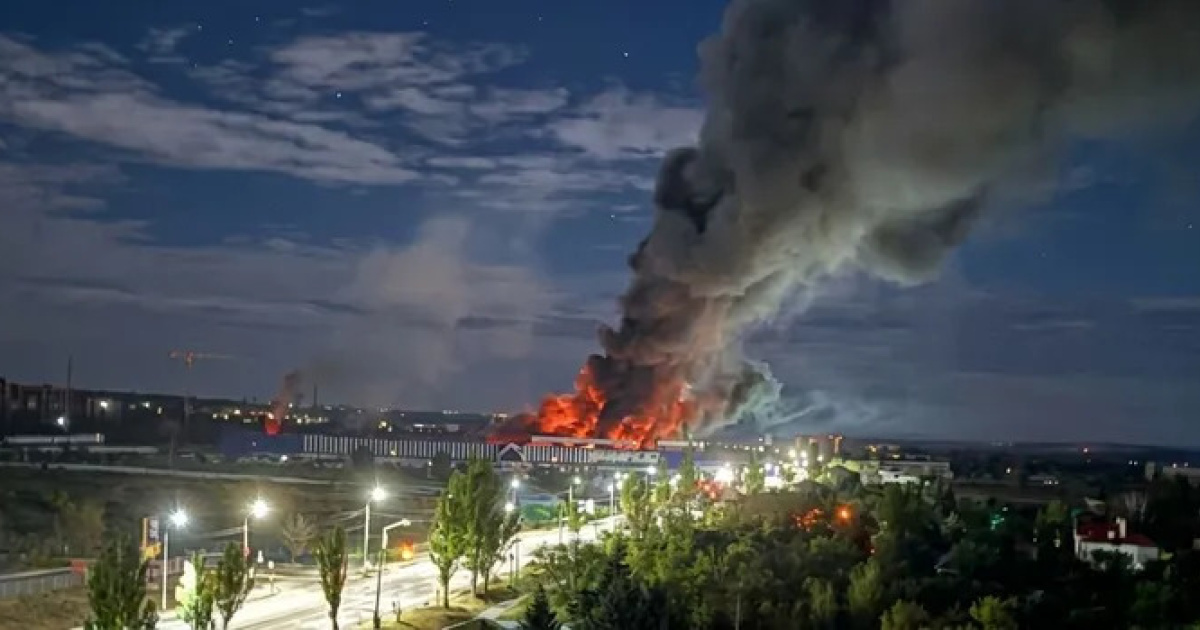
Meanwhile, as The Economist notes, Ukraine is entering winter with severely damaged infrastructure and an acute shortage of missiles for Patriot systems. Agreements with the U.S. on new deliveries have not yet resulted in the actual receipt of weapons. russia, meanwhile, continues to strike Ukrainian cities, bridges, water supply systems, and power grids.
According to the publication, under these circumstances, putin is unlikely to rush to end the war, despite Washington's intensified diplomatic efforts.