
Moscow and Kyiv are privately demonstrating "a bit of flexibility" on the question of who will control Ukraine's eastern regions in a postwar scenario, U.S. officials said, BBC reports on November 10.
These comments came ahead of the first trilateral talks aimed at ending the war in Ukraine since February. Senior officials from moscow, Kyiv, and Washington will meet in Abu Dhabi as the fifth anniversary of russia's full-scale invasion of Ukraine approaches.
Trump's son-in-law and member of the negotiating team, Jared Kushner, said the talks would focus on addressing "postwar security concerns" for both russia and Ukraine.
"An important part of this process is encouraging all sides to start thinking seriously about what comes after the war", - Kushner wrote on X.
However, moscow's and Kyiv's positions on ending the conflict remain far apart.
The key area of disagreement between the two sides is Ukraine's eastern region of Donbas, which is currently mostly occupied by russia. Moscow demands that Ukraine give up the parts of Donetsk region it still controls, while Kyiv wants to freeze the front line to retain control over these areas, which are considered crucial to its future security.
Although neither side has backed down from these demands, a U.S. official speaking ahead of the talks suggested that this was merely their public position and that moscow and Kyiv had demonstrated "a bit of flexibility privately".
However, the official acknowledged that the issue would not be resolved without discussing a new "security architecture".
"They will not resolve the issue of Donbas and the territorial question until they know what the postwar security architecture will look like", - the official said. "And bear in mind that we will not be able to reach a final agreement on one without the other".
For Ukraine, the postwar "security architecture" could include assurances that its allies would come to its aid if it were attacked again. For russia, this could mean its long-standing aspiration to see NATO withdraw from Eastern Europe – a prospect that would be alarming for Europeans.
The proposed framework includes security consultations and crisis communication hotlines, as well as "mutual de-escalation measures" between the two sides.
Officials have also floated the idea of resuming the work of the NATO-russia Council, whose activities have been largely suspended since 2022. The latest round of trilateral talks, held in Geneva in February, ended without a breakthrough. Shortly afterward, the U.S.-Israeli war against Iran diverted Washington's attention from Ukraine, and no further discussions have taken place since.
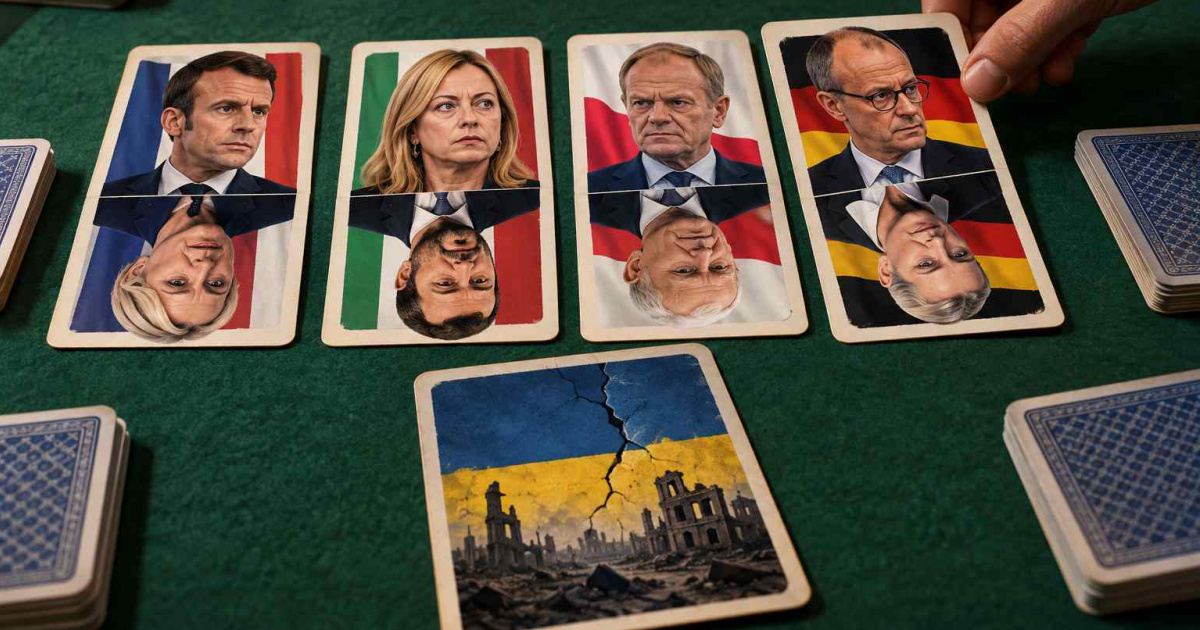
Since then, European leaders, who have been largely excluded from the peace negotiations, have insisted on being involved in the process amid concerns that decisions regarding the security of their continent could be made without them.
European Commission President Ursula von der Leyen on Monday called for NATO allies and EU members to be included in any "meaningful discussions on Europe's security architecture". President Volodymyr Zelensky has repeatedly stated that Kyiv wants Europe to be part of the negotiations.
A U.S. official said the Americans would propose moving to a multilateral format, bringing Europeans into the discussion. "We hope to bring the russians on board", the official said, while acknowledging that "the russians have a bitter taste in their mouths when it comes to Europeans".