

Thanks to Western technologies and their own developments, Ukraine's Defense Forces have managed to establish full fire control over the occupiers' logistical routes up to 160 kilometers from the front line. This concerns the Donetsk oblast, particularly the area around Mariupol. This was stated by Mykyta Puz, liaison officer with the defense sector of the 12th Brigade of the National Guard of Ukraine "Azov", at the New Age Defence Berlin security forum in Germany, reports 24tv.ua.
The serviceman noted that the modern battlefield differs significantly from the traditional concept of a front line.
According to him, it is no longer a clear line of contact between Ukrainian and russian positions, but a broad zone 3–40 kilometers deep, where fortifications of both sides, dugouts, minefields, and numerous firing positions are intertwined.
Mykyta Puz explained that under such conditions, the use of heavy equipment becomes significantly more difficult because any movement is quickly detected and becomes a target. That is why Ukrainian forces are constantly working to expand the capabilities of their firepower assets and increase the depth of control over the enemy.
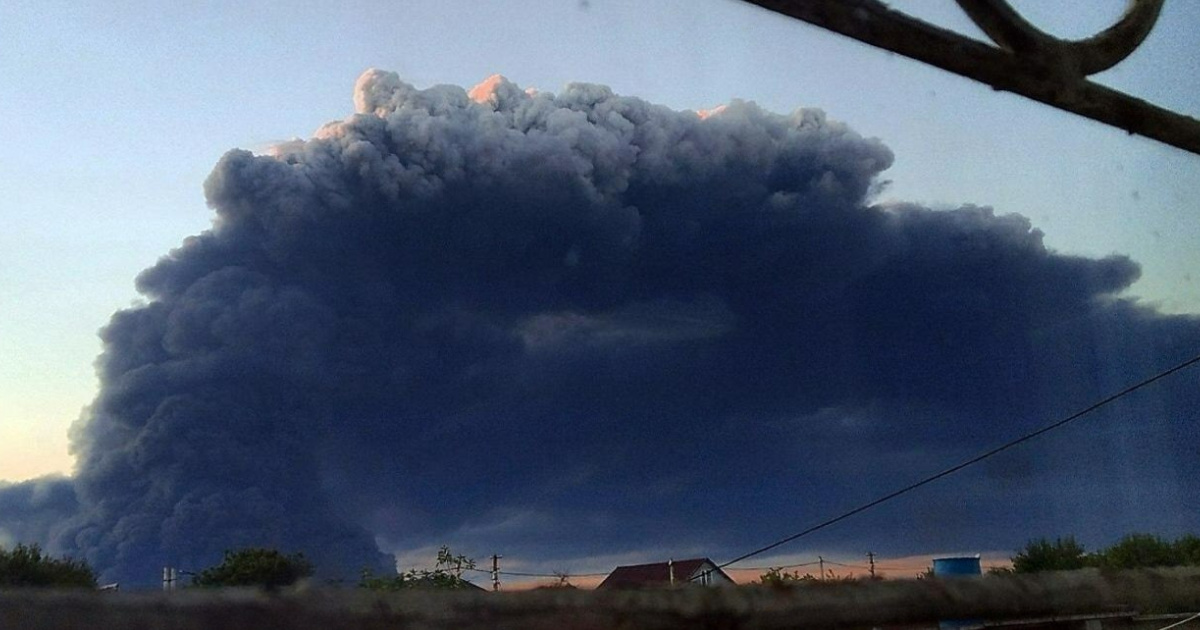
As an example, Puz cited the situation around temporarily occupied Mariupol, which is located approximately 160 kilometers from Ukrainian positions. According to the officer, systematic strikes against russian trucks, fuel depots, and enemy troop rotation routes have significantly affected the logistics of the occupation forces. As a result, the command of the aggressor state was forced to restrict military transport movements, prohibiting vehicles from approaching the front closer than 100 kilometers.
However, as Puz emphasized, even such a distance no longer guarantees safety for the enemy, as Ukrainian capabilities continue to grow. He noted that increasingly, the discussion concerns control and engagement of targets at distances of up to 200 kilometers. The officer stressed that increasing the distance between the occupiers' rear bases and frontline units creates additional difficulties for the russian army. The longer the logistical routes become, the more difficult it is to supply troops with the necessary resources, which directly affects their capabilities on the line of combat contact.